Beyond the Leaning Tower: Pisa’s Secret Natural Beauty Uncovered
You know what? Pisa isn’t just about that famous tilt. I went looking for peace away from the crowds and stumbled upon something incredible—hidden green spaces, riverside paths, and quiet gardens where locals unwind. This is not the Pisa you see on postcards. It’s real, it’s serene, and honestly, it’s been a total game-changer for how I see this city. Nature here doesn’t shout—it whispers, and you’ve gotta listen closely to hear it.
Reimagining Pisa: A City Beyond Stone
Pisa is globally celebrated for one unmistakable landmark—the Leaning Tower—but reducing this Tuscan city to a single monument does it a profound disservice. While the Tower, Cathedral, and Baptistery form an awe-inspiring ensemble in the Piazza dei Miracoli, they represent only a fraction of what makes Pisa truly captivating. Beyond the polished marble and echoing footsteps of tourists lies a softer, quieter side of the city, one shaped by greenery, flowing water, and the gentle rhythms of daily life. Many travelers, eager to check off iconic sights, overlook the natural beauty that weaves through Pisa’s urban fabric. Yet, for those willing to pause and look beyond the stone, the city reveals a different kind of wonder—one rooted in tranquility, balance, and connection to the land.
The motivation to explore Pisa’s natural offerings often arises from a need for respite. After hours spent navigating crowded plazas and absorbing centuries of history, the mind craves stillness. During a solo visit last spring, I found myself drawn not to more monuments, but to the quiet hum of trees, the rustle of leaves in the breeze, and the soft crunch of gravel underfoot. What began as a search for peace turned into a revelation: Pisa is not just a city of the past, but a living, breathing place where nature and culture coexist in subtle harmony. This quieter dimension offers a counterbalance to the intensity of sightseeing, allowing visitors to reconnect with themselves as much as with the destination.
Reimagining Pisa means shifting perspective—from seeing it as a museum piece to recognizing it as a dynamic city with layers of experience. The historic center may dominate guidebooks, but the city’s soul extends far beyond its UNESCO-listed sites. Local residents know this well. They gather in parks for morning coffee, stroll along the river at dusk, and seek shade beneath centuries-old trees during the summer heat. These everyday rituals, often invisible to the rushing tourist, are where Pisa’s true character unfolds. By embracing both its monumental heritage and its understated natural charm, travelers gain a richer, more authentic understanding of this multifaceted city.
The Arno River: Pisa’s Flowing Lifeline
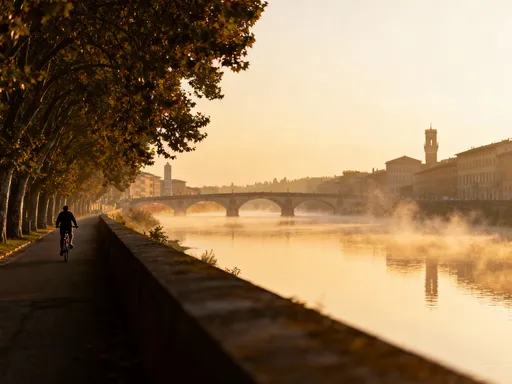
Flowing gracefully through the heart of the city, the Arno River serves as Pisa’s quiet lifeline, a ribbon of calm that connects neighborhoods, reflects the sky, and offers some of the most soothing views in Tuscany. While Florence may claim the Arno’s most famous stretch, Pisa’s section is equally enchanting—less crowded, more intimate, and deeply woven into the daily rhythm of life. Early in the morning, when the city is still waking, the riverbanks come alive with soft light and gentle movement. Joggers trace the embankments, cyclists glide past, and fishermen cast their lines with patient focus. The water, often still at this hour, mirrors the pastel hues of buildings and the silhouettes of historic bridges, creating a dreamlike atmosphere that feels worlds away from the bustle of central Pisa.
One of the most rewarding ways to experience the Arno is by walking its lungarni—the paved paths that run along both sides of the river. These promenades, lined with plane trees and dotted with benches, invite slow exploration. As you stroll, you’ll pass under elegant stone bridges like the Ponte di Mezzo and Ponte Solferino, each with its own architectural character and view. In the late afternoon, the golden light bathes the water in warm tones, and the reflections of arched facades shimmer like paintings in motion. Locals often gather here to unwind, sipping wine or sharing stories on the steps leading down to the water. It’s not uncommon to hear the soft strum of a guitar or the laughter of friends enjoying a simple evening outdoors.
What makes the Arno so special is not just its beauty, but its role as a connector—between places, people, and moments. It doesn’t dominate the cityscape; instead, it flows quietly beneath it, offering a sense of continuity and calm. For travelers, a riverside walk provides a much-needed pause, a chance to slow down and absorb the city’s quieter pulse. Whether you’re watching swallows dip over the water at sunset or listening to the soft lap of waves against the stone walls, the Arno reminds you that beauty often lies in motion, in the quiet passage of time. It’s a living reminder that cities, even those famed for their history, are also shaped by nature’s gentle presence.
Giardino Scotto: Where History Meets Nature
Nestled just outside the historic center, Giardino Scotto is one of Pisa’s best-kept secrets—a peaceful public park that blends natural beauty with traces of the past. Originally part of a Renaissance villa belonging to the noble Scotto family, the garden has evolved over centuries into a green sanctuary for locals and curious visitors alike. Unlike the more formal gardens of Florence or Rome, Giardino Scotto feels unpretentious and welcoming. Its shaded pathways wind beneath tall trees, offering relief from the Tuscan sun, while open lawns provide space for children to play, students to study, or friends to picnic on warm afternoons. The park’s layout is relaxed, encouraging leisurely exploration rather than structured sightseeing.
One of the most striking features of Giardino Scotto is the presence of ancient defensive walls that once formed part of Pisa’s city fortifications. These weathered stone structures, now softened by climbing ivy and time, stand as quiet witnesses to the city’s layered history. Walking beside them, you can almost feel the passage of centuries—the shift from military necessity to peaceful retreat. The park also hosts occasional cultural events, from open-air concerts to art installations, further blending its historical roots with contemporary life. Yet, even during these moments, the garden retains its serene character, never losing its sense of calm.
For families, Giardino Scotto offers a rare combination of space, safety, and beauty. Playgrounds are thoughtfully integrated into the landscape, and the flat, well-maintained paths make it accessible for strollers and elderly visitors. Benches are strategically placed beneath canopies of trees, inviting quiet reflection or conversation. What’s more, the park’s location—just a short walk from the train station and central attractions—makes it an ideal spot to begin or end a day of exploration. It’s not uncommon to see travelers sitting on a bench with a map, catching their breath, or locals reading a book with a dog at their feet. In a city often associated with rushing tourists, Giardino Scotto stands as a testament to the value of stillness and simplicity.
San Rossore Natural Park: Wild Coast Just Beyond the City
Just a few kilometers west of Pisa’s center lies one of Tuscany’s most remarkable natural treasures—San Rossore Natural Park, part of the larger Migliarino-San Rossore-Massaciuccoli Regional Park. This vast protected area stretches from the outskirts of the city to the Tyrrhenian Sea, encompassing a rich mosaic of ecosystems: dense pine forests, coastal dunes, freshwater wetlands, and wild beaches. Unlike the manicured gardens and urban parks within the city, San Rossore offers a taste of untamed nature, where deer roam freely, birds call from the treetops, and the scent of salt and pine fills the air. It’s a place where the rhythms of the natural world take precedence over human schedules, inviting visitors to slow down and tune in.
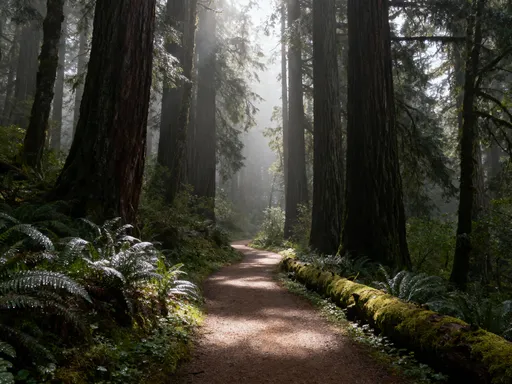
The park’s most famous feature is its centuries-old pine forest, planted in the 16th century to stabilize the dunes and prevent soil erosion. Today, these tall, slender trees form a canopy that filters the sunlight, creating a dappled effect on the forest floor. Cycling or walking along the shaded trails feels almost magical, especially in the early morning when mist lingers and the only sounds are the rustle of leaves and the distant cry of a heron. The park is also home to diverse wildlife, including wild boar, foxes, and over 200 species of birds, making it a haven for nature lovers and birdwatchers. Designated trails and observation points allow visitors to explore without disturbing the delicate balance of the ecosystem.
Reaching San Rossore is easy and rewarding. Travelers can rent bikes in Pisa and follow well-marked routes that lead directly into the park, or take a short train ride to the seaside town of Tirrenia, which borders the reserve. Guided eco-tours are available for those who want to learn more about the area’s flora and fauna, while independent explorers can pick up maps at visitor centers and set their own pace. The park also offers access to pristine beaches, where the sand is soft and the water clear—perfect for a refreshing swim after a long walk. What makes San Rossore truly special is its accessibility; it’s rare to find such a wild, protected landscape so close to an urban center. For families, couples, or solo travelers seeking a deeper connection with nature, it’s an essential addition to any Pisa itinerary.
Cycling Through Green Corridors: Pisa’s Sustainable Side
Cycling is more than just a mode of transportation in Pisa—it’s a way of experiencing the city and its surroundings at a human pace. The flat terrain, mild climate, and growing network of bike-friendly paths make Pisa an ideal destination for two-wheeled exploration. More importantly, cycling offers a seamless connection between the city’s cultural landmarks and its natural spaces. From the Arno River to Giardino Scotto and onward to San Rossore, dedicated bike routes and quiet streets allow travelers to glide effortlessly from one green oasis to the next. This sustainable form of travel not only reduces environmental impact but also enhances the journey, letting you feel the breeze, hear the birds, and notice details you’d miss from a car or bus.
One of the most scenic routes begins in the city center and follows the Arno River westward, passing under historic bridges and alongside tree-lined embankments. As you leave the urban core behind, the path continues through residential neighborhoods and into open countryside, eventually leading to the entrance of San Rossore Natural Park. Another popular option traces the route of an old tram line, now converted into a smooth, shaded cycling corridor that connects Pisa with nearby coastal towns. These green corridors are more than just paths—they’re lifelines that link people to nature, encouraging healthier, more mindful travel. Along the way, you’ll pass vineyards, olive groves, and small farms, catching glimpses of rural Tuscan life.
For tourists, bike-sharing programs and rental shops make it easy to get started. Many accommodations offer bicycle rentals, and local shops provide maps, helmets, and repair kits. Safety is generally good, with designated lanes in the city and well-marked trails outside. Still, it’s wise to ride during daylight hours, stay aware of traffic, and carry water, especially in summer. Families will appreciate that many routes are flat and stroller-friendly, with rest areas and picnic spots along the way. Cycling in Pisa isn’t about speed or performance—it’s about presence, about allowing the landscape to unfold at its own pace. It’s a reminder that the best journeys are often the ones that let you truly feel where you are.
Hidden Gardens & Quiet Courtyards: Nature in Unexpected Places
While Pisa’s larger parks and riverfronts are easy to find, some of its most enchanting green spaces are tucked away in unexpected corners—within university buildings, behind ancient walls, or nestled in quiet neighborhoods. These hidden gardens offer moments of stillness and beauty, often discovered by chance. One of the most notable is the Orto Botanico di Pisa, part of the University of Pisa and recognized as the oldest university botanical garden in Europe, established in 1544. Though modest in size, it is a treasure trove of plant life, housing collections of medicinal herbs, rare succulents, aromatic Mediterranean species, and elegant greenhouses that glow with filtered light.
Walking through the Orto Botanico feels like stepping into a living museum. Neatly labeled beds organize plants by family and origin, making it both educational and serene. The scent of rosemary, lavender, and thyme lingers in the air, especially on warm days, while the sound of a small fountain adds to the sense of calm. Students often sit on benches with notebooks, and visitors move quietly, as if respecting the garden’s scholarly heritage. Unlike more tourist-heavy sites, this space invites contemplation. It’s a place where science and beauty meet, where the study of nature becomes a form of meditation.
Beyond the botanical garden, Pisa’s universities and historic buildings house other quiet courtyards and green spaces, often open to the public during certain hours. These hidden oases, with their ivy-covered walls and secluded benches, offer refuge from the city’s energy. They remind us that nature doesn’t always need vast forests or sweeping landscapes to make an impact—sometimes, a single tree in a sunlit courtyard is enough to restore the spirit. For the mindful traveler, seeking out these lesser-known spots adds depth to the journey, revealing a side of Pisa that is intimate, personal, and deeply peaceful.
Why Natural Scenery Matters in Urban Travel
In an age of fast-paced tourism, where itineraries are packed and photo ops are prioritized, the value of natural scenery in urban travel is often overlooked. Yet, research consistently shows that exposure to green spaces reduces stress, improves mood, and enhances overall well-being—even during short visits. In cities like Pisa, where cultural immersion is intense, natural environments provide essential balance. They offer mental reset points, allowing travelers to process what they’ve seen and recharge for what’s ahead. A walk along the Arno, a pause in Giardino Scotto, or a quiet moment in the botanical garden isn’t just a break from sightseeing—it’s a vital part of the experience.
Moreover, seeking out nature aligns with the growing movement toward sustainable and mindful travel. As more travelers become aware of their environmental impact, destinations that prioritize green spaces and eco-friendly practices are gaining favor. Pisa’s network of parks, bike paths, and protected areas reflects a commitment to preserving both cultural and natural heritage. By choosing to explore these spaces, visitors support conservation efforts and contribute to a more responsible form of tourism. It’s a small but meaningful way to travel with intention.
Finally, natural scenery fosters a deeper, more human connection to a place. While monuments tell stories of the past, gardens, rivers, and forests reveal how people live now—how they relax, gather, and find joy. They offer a glimpse into the everyday rhythms of a city, creating memories that last longer than any photograph. In Pisa, this balance between history and nature, between the iconic and the intimate, is what makes the destination truly unforgettable. It reminds us that travel is not just about seeing, but about feeling—about allowing a place to touch you in quiet, unexpected ways.
Pisa’s true magic lies not just in its architectural wonders, but in the quiet breath of its natural corners—the rustle of leaves along the Arno, the scent of pine in San Rossore, the stillness of a hidden garden. These experiences don’t compete with the Leaning Tower; they complete it. By stepping off the beaten path, travelers gain a fuller, more human connection to the place. So next time you visit, slow down. Let the city’s green soul surprise you.