Hiking Through Red Rock Legends: Where Trails Meet Ancient Culture
You know that feeling when nature and history collide in the most mind-blowing way? That’s Arches National Park. I laced up my boots expecting stunning rock formations—but what I found was deeper: ancient petroglyphs, silent stories etched in stone, and a land that’s sacred to Indigenous peoples. Hiking here isn’t just about views—it’s a journey through time. Let me show you how every trail tells a story. From the whisper of wind through sandstone fins to the quiet presence of ancestral footprints, this park invites more than admiration. It calls for reflection, respect, and a willingness to listen. In a world that moves fast, Arches offers a rare chance to slow down and connect with something far greater than ourselves.
The Red Rock Playground: Introducing Arches National Park
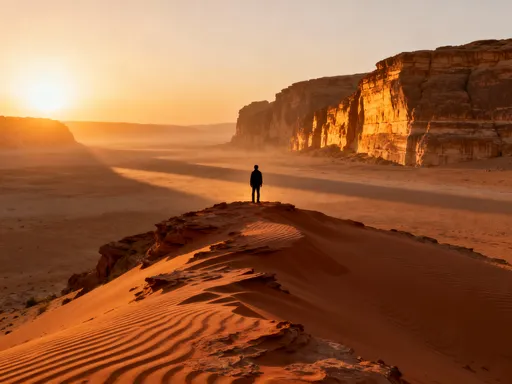
Located in the high desert of eastern Utah, Arches National Park stretches across more than 76,000 acres of dramatic red rock terrain, where the Earth’s surface has been sculpted over millions of years into one of the most visually striking landscapes in North America. The park lies just north of the town of Moab, nestled between the Colorado River and the La Sal Mountains, creating a striking contrast between arid desert and distant snow-capped peaks. At its heart are over 2,000 documented natural stone arches—more than any other place on Earth—including the world-famous Delicate Arch, Landscape Arch, and Double Arch. These formations rise from the desert floor like ancient sentinels, shaped by erosion, frost, and the patient work of wind and water.
What sets Arches apart from many other national parks is not just its geology, but the profound sense of time that permeates the landscape. The Entrada sandstone, formed over 150 million years ago during the Jurassic period, gives the park its deep red hues and distinctive layered appearance. Over eons, the shifting of underground salt beds caused the surface to crack and fold, forming fins of rock that eventually eroded into arches. Some, like Landscape Arch, span more than 290 feet and are so thin they appear almost weightless. Yet, despite their grandeur, these formations are fragile—some collapse without warning, reminding visitors that this is a landscape in motion, not a museum frozen in time.
Long before it was designated a national park in 1929, this land held deep significance for Indigenous peoples. Archaeological evidence shows that ancestors of modern Pueblo, Ute, and Navajo communities lived in and traveled through this region for thousands of years. They left behind tools, dwellings, and rock art that speak to a rich spiritual and cultural relationship with the land. The park is part of a much larger cultural landscape that includes Canyonlands National Park and Bears Ears National Monument, all of which are tied to the traditions and histories of Native nations. Today, several tribes maintain strong cultural and religious connections to Arches, considering it a place of prayer, ceremony, and ancestral memory.
Why Hiking Here Feels Different: More Than Just Scenic Trails
Hiking in Arches National Park is not merely a physical challenge—it is an emotional and spiritual experience. Unlike many outdoor destinations where the focus is on summit views or photo opportunities, Arches invites a deeper form of engagement. As you walk the trails, you are following paths that have been used for generations, sometimes for millennia. The silence is profound, broken only by the crunch of sand underfoot or the distant call of a raven. There is a sense of reverence in the air, as if the land itself is asking for respect. This is not just a park to be conquered; it is a place to be honored.
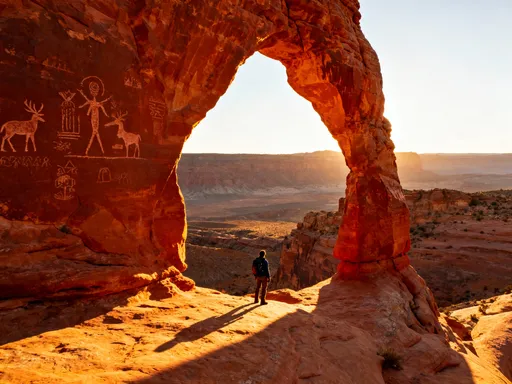
One reason the hiking experience feels so distinct is the way nature and culture are intertwined. Trails wind past petroglyph panels carved into rock walls, where ancient hands pecked symbols into stone—spirals, animals, human figures—whose meanings remain partly unknown. These are not tourist attractions; they are sacred expressions of belief, identity, and connection to the cosmos. When hikers pause to observe them, many report a sense of humility, even awe. Some visitors whisper when they speak, not out of fear, but out of instinctive respect. This quiet reverence is not required by rule, but it arises naturally in those who take the time to listen.
The park’s design encourages mindfulness. Trails are well-marked but not overcrowded, especially in the early morning or late afternoon. Rangers emphasize the importance of staying on designated paths, not only to protect fragile desert soil but also to avoid disturbing cultural sites. The message is clear: this land is not ours to reshape. Every footstep off the trail risks damaging cryptobiotic soil—a living crust of algae, fungi, and bacteria that holds the desert together and takes decades to recover. By staying on the path, hikers honor both the natural and cultural integrity of the park. In doing so, they become part of a tradition of care, not conquest.
Trails That Whisper History: Hiking Routes with Cultural Depth
Several trails in Arches National Park offer more than scenic beauty—they provide a direct link to the past. Among the most iconic is the Delicate Arch Trail, a 3-mile round-trip hike that leads to the park’s most famous formation. While many visitors come for the photograph—especially at sunset—few realize that this arch holds cultural significance beyond its visual appeal. For some Indigenous communities, such natural arches are seen as portals or thresholds between worlds, places where prayers can rise more easily to the sky. The trail itself passes through a landscape marked by ancient use, with subtle signs of old travel routes and gathering areas visible to those who know what to look for.
Another deeply evocative hike is the Park Avenue Trail, a relatively easy 2-mile round trip that descends into a narrow canyon flanked by towering red rock walls. The name, given by early European-American explorers, references the tall buildings of a city skyline. But long before that, this corridor served as a natural pathway for Indigenous peoples moving between seasonal camps. The walls rise hundreds of feet, their layered surfaces telling stories of geological time, while the quiet at the bottom creates a meditative atmosphere. As sunlight shifts across the cliffs, shadows move like silent watchers. Hikers often report feeling accompanied, not by people, but by presence—an echo of those who walked here long ago.
The Windows Section offers a different kind of insight. Home to North Window, South Window, and Turret Arch, this area features massive arches that frame the distant La Sal Mountains in a way that feels almost intentional. Some researchers believe that certain rock formations in the region align with solstice and equinox sunrises and sunsets, suggesting that ancestral peoples may have used them as celestial markers. While no formal structures exist here, the alignment of light and stone during key times of year hints at a sophisticated understanding of astronomy and seasonal cycles. Walking through this section at dawn or dusk, one can imagine how these moments might have been observed with ceremony and purpose.
For a direct encounter with ancient art, the Petroglyphs Panel Trail is essential. This short, paved 0.5-mile loop leads to a cliff face covered in carvings made by the Ancestral Puebloans and Fremont people between 900 and 2,000 years ago. The images include bighorn sheep, human figures with elaborate headdresses, and abstract designs that may represent spiritual visions or clan symbols. Interpreting their exact meaning is difficult—these were not meant for outsiders—but their presence is powerful. Rangers encourage visitors to view them from a distance, never to touch, and to reflect on the fact that these artists were not primitive, but deeply connected to their environment and cosmology. This trail, more than any other, turns hiking into an act of quiet witnessing.
Cultural Etiquette on the Trail: Respecting Sacred Ground
As visitation to Arches National Park continues to grow, so does the responsibility to protect its cultural resources. One of the most important principles for visitors is to stay on designated trails. This rule is not merely about safety or convenience; it is about preservation. Many cultural sites are not marked or fenced off because signage can be intrusive or disrespectful. Instead, their protection relies on visitor awareness. Stepping off the path, even to take a photograph or reach a better viewpoint, can damage fragile archaeological remains buried just beneath the surface. A single footprint in the wrong place can erase evidence of human activity that took centuries to accumulate.
Equally critical is the rule against touching petroglyphs. While it may seem harmless, the oils and salts from human skin accelerate the erosion of rock surfaces. Over time, repeated contact can darken or blur the carvings, making them harder to study and appreciate. Some petroglyphs have already faded significantly due to past touching, a loss that cannot be reversed. Park officials and tribal representatives emphasize that these images are not graffiti or decoration—they are expressions of belief, history, and identity. To touch them is to disrespect the people who made them and those who still honor their legacy today.
The National Park Service works closely with affiliated Indigenous tribes to manage and protect cultural resources in Arches. This collaboration includes joint monitoring of sites, co-developed educational materials, and the inclusion of Native voices in ranger programs. In recent years, the park has adopted more culturally sensitive language in its signage and outreach, moving away from terms like “prehistoric” in favor of “ancestral” or “Indigenous.” These changes reflect a broader shift toward recognizing that Native histories are not relics of the past, but living traditions. Visitors are encouraged to see themselves as guests in a landscape that belongs to no one, yet matters deeply to many.
Connecting with the Present: Cultural Programs and Ranger Talks
To help visitors understand the cultural depth of Arches, the park offers a range of interpretive programs throughout the year. These are not dry lectures, but engaging experiences that blend storytelling, science, and tradition. Ranger-led walks often focus on specific themes—geology, plant life, or cultural history—and are designed to deepen appreciation without oversimplifying complex topics. Evening programs at the visitor center are particularly popular, drawing families and solo travelers alike to learn about the park after a day on the trails.
One of the most impactful offerings is the series of talks that include perspectives from Native American communities. These are not impersonal recitations of facts, but personal narratives shared by tribal members or rangers trained in cultural sensitivity. Speakers may discuss the significance of certain animals in Indigenous cosmology, explain traditional uses of desert plants, or reflect on the meaning of stewardship. These programs do not seek to speak for all Native peoples—there is great diversity among tribes—but they offer a window into worldviews that have shaped this land for generations.
Storytelling plays a central role in these programs. Rather than presenting history as a timeline of events, rangers and guest speakers use narrative to convey values, relationships, and lessons. A story about the coyote, for example, might teach about cleverness and consequence. A tale of the first people emerging from beneath the Earth might explain the sacredness of springs and canyons. These stories are shared with permission and care, never as entertainment, but as education rooted in respect. For many visitors, especially adults traveling with children, these moments are transformative—helping them see the park not as a backdrop, but as a living cultural landscape.
The success of these programs lies in their balance. They inform without appropriating, honor without romanticizing, and invite curiosity without demanding answers. They remind visitors that understanding does not require possession—that one can love a place deeply without claiming it. In a time when cultural tourism can sometimes feel exploitative, Arches sets a standard for how parks can share Indigenous knowledge in ethical, meaningful ways.
Planning Your Culturally Mindful Hike: Practical Tips
Visiting Arches National Park requires thoughtful preparation, especially given its growing popularity and environmental sensitivity. The best times to hike are during the spring (March to May) and fall (September to November), when temperatures are mild and crowds are smaller. Summer months can be extremely hot, with daytime highs often exceeding 100°F (38°C), making early morning hikes essential. Winter visits offer solitude and stunning contrasts of red rock against snow, though some trails may be icy and require traction devices.
Essential gear includes at least one gallon (4 liters) of water per person per day, sunscreen, a wide-brimmed hat, and sturdy hiking shoes. The desert environment is deceptively harsh—sun exposure is intense, and shade is limited. A detailed trail map is crucial, as cell service is unreliable in the park. While GPS devices can be helpful, they should not replace physical maps. Visitors should also carry a small first-aid kit, snacks, and a lightweight rain jacket, as afternoon thunderstorms can occur unexpectedly.
Due to high visitation, Arches operates a timed entry reservation system from April through October. Visitors must secure a reservation in advance through the National Park Service website, either for a morning or afternoon time slot. These reservations are separate from the park entrance fee and can sell out weeks in advance, especially during peak seasons. Planning ahead is not just convenient—it is necessary. Those arriving without a reservation during timed entry hours will not be allowed to enter, unless they have an overnight reservation at a nearby campground or lodge.
When choosing hikes, visitors should match trails to their fitness level while also considering cultural value. For beginners, the Balanced Rock or Garden of Eden trails offer easy access and beautiful views. Families with children may enjoy the short walk to the Windows Section. More experienced hikers seeking deeper connection should consider the Delicate Arch or Devils Garden trails, both of which pass through areas rich in cultural history. Regardless of skill level, all hikers are encouraged to take their time, stay hydrated, and practice Leave No Trace principles—packing out all trash, avoiding loud noises, and respecting wildlife.
Beyond the Postcard: A Deeper Way to Experience Arches
Arches National Park is one of the most photographed places in the American West, and for good reason. Its dramatic arches, balanced rocks, and fiery sunsets make for unforgettable images. But the true value of this landscape lies beyond the lens. It is found in the stillness between footsteps, the warmth of sun on stone, the quiet realization that you are walking on sacred ground. This park invites a different kind of travel—one that values presence over possession, listening over speaking, and respect over reward.
Slow travel is not about covering more miles; it is about deepening understanding. Sitting quietly at the base of Delicate Arch, watching light shift across its curve, can be more meaningful than snapping a dozen photos. Listening to a ranger’s story about the people who once gathered medicinal plants in this valley can transform a hike into a lesson in humility. These moments do not require special skills or equipment—only openness and intention. They remind us that we are not the first to love this land, and we will not be the last.
Arches is not just a destination. It is a story still being told—one of geological wonder, cultural endurance, and human responsibility. Every arch stands as a testament to time, every petroglyph as a message across centuries. As visitors, we have a choice: to pass through quickly, or to pause and listen. To take only photos, or to carry away something deeper—a sense of connection, a renewed commitment to care. The land does not demand our praise, but it deserves our respect. And in honoring it, we may just find that we honor something within ourselves as well.