What I Ate at Iguazu Falls Will Blow Your Mind
You know that feeling when nature leaves you speechless? Iguazu Falls did exactly that—massive, roaring, absolutely wild. But what I didn’t expect? How incredible the food would be in the middle of this jungle paradise. From fresh tropical fruits sold by local vendors to hearty Brazilian meals with a twist, every bite felt authentic and full of flavor. This isn’t just a trip for your camera—it’s a feast for your taste buds, too. The harmony between untouched rainforest and vibrant culinary traditions surprised me at every turn. More than the postcard views, it was the taste of warm cheese bread at sunrise and the tang of a ripe graviola under the canopy that made the journey unforgettable. Here’s how food transformed a natural wonder into a full sensory experience.
Arrival at Iguazu: First Impressions of Nature’s Power
The first glimpse of Iguazu Falls is not something you can prepare for. As you step onto the wooden walkways that weave through the subtropical forest, the air begins to change. A fine mist rises, cooling your skin, carrying with it the deep, rhythmic thunder of millions of gallons of water cascading over 275 separate falls. The sheer scale is overwhelming—up to 82 meters high and stretching nearly three kilometers across. The Devil’s Throat, the largest and most powerful section, pulls you in with its roar and spray, creating rainbows in the sunlight. It’s a moment of pure awe, one that makes you feel both small and deeply alive.
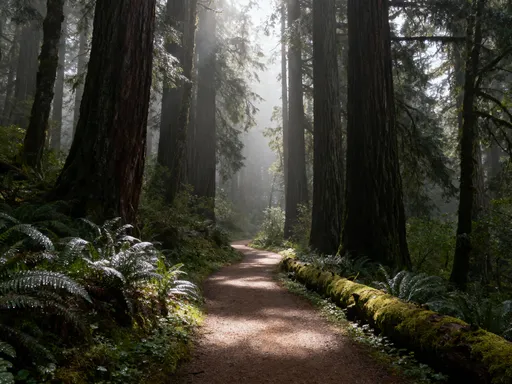
Yet, as powerful as the falls are, so too is the hunger that builds after just an hour of exploring. The network of trails, some paved and others made of weathered wood, winds through dense Atlantic rainforest, home to howler monkeys, toucans, and coatis. The humidity clings to your clothes, and the constant movement stirs a primal need for nourishment. That’s when the scent of grilled meat and fried dough begins to drift through the trees. Near the park entrances, small food stands operated by local families offer a warm, welcoming contrast to the raw power of nature. These aren’t fancy restaurants—they’re simple setups with grills, coolers, and folding tables—but their offerings become a vital part of the journey.
What makes these early bites so memorable is their authenticity. There’s no attempt to cater to international palates with watered-down flavors. Instead, the food is bold, seasoned with local herbs, and prepared fresh on the spot. Eating a warm pastel while listening to the distant crash of water creates a unique kind of satisfaction—one that blends physical exertion, natural beauty, and the comfort of real, unpretentious food. It sets the tone for the rest of the visit: this is not a sanitized tourist experience, but a deep immersion into a living, breathing region where nature and culture coexist.
Street Eats by the Entrance: Quick Bites with Big Flavor
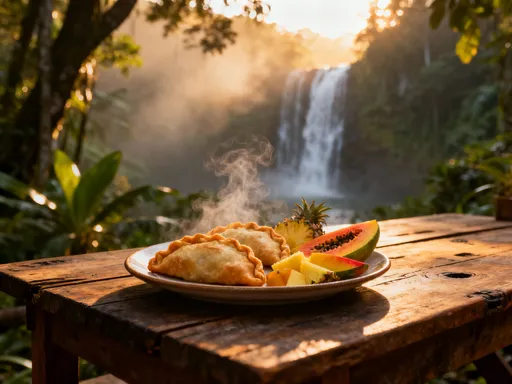
No trip to Iguazu is complete without sampling the street food that lines the approach to the national park. These small vendors, often family-run, set up just outside the main gates on both the Argentine and Brazilian sides. Their carts and kiosks may look modest, but the flavors they deliver are anything but. The most popular item is the pastel—a thin, crispy pastry filled with melted cheese, shredded chicken, or even heart of palm. Fried to golden perfection, it’s served hot in a paper sleeve, perfect for eating on the go. The crunch gives way to a soft, savory center, and the warmth is especially welcome on cooler mornings when the mist from the falls hangs low.
Another staple is grilled corn on the cob, known locally as choclo on the Argentine side and milho in Brazil. The cobs are roasted over open flames until slightly charred, then brushed with a mixture of mayonnaise, grated cheese, and a sprinkle of chili powder. The combination of smoky, creamy, and spicy creates a flavor profile that lingers long after the last bite. It’s messy to eat, but that’s part of the charm—this is food meant to be enjoyed with your hands, not a fork and knife. Nearby, you’ll also find venders selling coxinha, teardrop-shaped dough filled with shredded chicken and cream cheese, another Brazilian favorite that’s both comforting and deeply satisfying.
These street foods do more than just fill your stomach—they enhance the entire visitor experience. Unlike pre-packaged snacks from convenience stores, these items are made fresh, using ingredients sourced from nearby farms. The vendors often share stories about their recipes, some passed down for generations. This personal touch adds a layer of connection, reminding travelers that they’re not just passing through, but engaging with a living culture. Eating a pastel while watching families gather before their hike, or sharing a cob of grilled corn with fellow travelers, creates small moments of joy that become part of the memory. The open-air setting, surrounded by the sounds of the jungle and the distant roar of water, makes even simple food feel extraordinary.
Tropical Fruits You’ve Never Tried (But Should)
One of the most delightful surprises at Iguazu is the abundance of tropical fruits available at local markets and roadside stands. While travelers might recognize mangoes, papayas, and pineapples, the real gems are the lesser-known varieties that thrive in the humid, fertile conditions of the Atlantic rainforest. These fruits are not just exotic—they’re deeply woven into the local diet and often sold by indigenous or small-scale farmers who harvest them seasonally. Tasting them feels like unlocking a secret menu of nature’s offerings.
Among the most unique is acerola, a bright red cherry-like fruit with one of the highest vitamin C contents in the world. It’s tart and slightly sweet, often blended into fresh juices or smoothies. Then there’s cupuaçu, a relative of cacao, with a fragrant, creamy pulp that tastes like a mix of pineapple, banana, and chocolate. It’s commonly used in desserts, mousses, and ice creams, but eating it fresh—scooped from the shell with a spoon—is a rare treat. Graviola, also known as soursop, has a soft, fibrous texture and a flavor that balances sweetness with a subtle tang. It’s often made into drinks, but its fresh form offers a more complex taste experience.
Another standout is tucumã, an orange palm fruit rich in healthy fats and beta-carotene. Its flavor is rich and slightly nutty, reminiscent of apricot or mango with a buttery finish. It’s frequently eaten raw or pressed into oils and smoothies. These fruits are not only delicious but also reflect the biodiversity of the region. They grow in harmony with the rainforest, requiring no industrial farming or long-distance transport. When you buy them from a roadside stand, you’re supporting sustainable agriculture and reducing environmental impact. For the curious traveler, trying these fruits is more than a culinary adventure—it’s a way to connect with the land and its people on a deeper level.
Inside the Park: Dining with a View
While many visitors bring snacks, the dining options within Iguazu National Park are well worth exploring. Scattered along the main trails are small cafés and refreshment stands that offer more than just bottled water and packaged cookies. These spots provide a chance to pause, catch your breath, and enjoy a proper bite while still immersed in nature. The best part? You can sip a fresh coconut water while hearing the constant rush of the falls in the background—a sensory experience that few other destinations can match.
One of the most popular items on these menus is pão de queijo, a Brazilian cheese bread made from cassava flour and Minas cheese. These small, golden balls are baked fresh throughout the day and served warm. Their chewy, slightly crispy exterior gives way to a soft, cheesy center that melts in your mouth. Paired with a cold água de coco—a young green coconut filled with sweet, hydrating water—they make for a perfect midday refuel. Fruit juices are another highlight, with blends like guava with lime, pineapple with mint, or pure cupuaçu served in reusable cups to minimize waste.
What makes these in-park meals special is the setting. Imagine sitting on a wooden bench under a shaded pavilion, surrounded by towering ferns and the calls of jungle birds, while enjoying a hot snack. There’s something deeply comforting about it—the contrast of warm food against the cool, misty air, the way the flavors seem brighter when eaten in such a vibrant environment. These cafés are run by local staff who take pride in their offerings, often explaining the origins of the ingredients. It’s not fine dining, but it doesn’t need to be. The simplicity of the food, combined with the grandeur of the surroundings, creates a meal that feels both nourishing and meaningful.
Crossing into Brazil: How Local Cuisine Differs from the Argentine Side
Iguazu Falls straddles the border between Argentina and Brazil, and the culinary experiences on each side reflect their distinct cultural identities. While both nations share a love for bold flavors and fresh ingredients, the differences become clear once you cross the bridge into Foz do Iguaçu. The Argentine side, particularly in Puerto Iguazú, leans toward lighter, grilled meats and simple salads, influenced by the country’s strong asado (barbecue) tradition. Meals often feature chorizo, morcilla (blood sausage), and provoleta (grilled provolone), served with chimichurri sauce and crusty bread.
In contrast, the Brazilian side offers heartier, more complex dishes that reflect a blend of Portuguese, African, and indigenous influences. In Foz do Iguaçu, you’ll find restaurants serving feijoada, a rich black bean stew with pork, traditionally eaten on Wednesdays and Saturdays. It’s served with orange slices, farofa (toasted cassava flour), and rice—a complete, satisfying meal. Another regional favorite is churrasco, Brazilian barbecue, where skewers of beef, sausage, and chicken are rotated over open flames and sliced tableside. The portions are generous, the meat tender and smoky, and the experience communal.
These culinary differences aren’t just about taste—they tell a story of history and migration. The Portuguese brought ingredients like cassava and citrus, while African slaves introduced techniques like slow-cooking stews and the use of palm oil. Indigenous communities contributed native fruits, roots, and knowledge of the rainforest. Together, these influences have shaped a cuisine that is both diverse and deeply rooted in place. For travelers, sampling food on both sides of the border offers a fuller understanding of the region—not just as a natural wonder, but as a cultural crossroads where flavors have been exchanged and evolved for centuries.
Hidden Eateries Near Foz do Iguaçu: Beyond Tourist Menus
While the restaurants near the falls cater to international visitors, the true heart of Brazilian cuisine lies in the lesser-known spots scattered throughout Foz do Iguaçu. These family-run lanchonetes and neighborhood eateries may not appear on travel guides, but they offer the most authentic tastes of the region. To find them, look for places crowded with locals, menus written only in Portuguese, and no English signage. These are the signs of a spot that hasn’t been altered for tourists—where the food is made the way it’s been made for generations.
One such dish is tacacá, a hot soup originating from the Amazon but widely enjoyed in border towns like Foz. It’s made with tucupi (fermented manioc broth), dried shrimp, jambu (a numbing herb), and tapioca pearls. The first sip is surprising—warm, tangy, with a slight tingling on the tongue from the jambu. It’s not a flavor most visitors are familiar with, but it’s deeply comforting, especially on a rainy afternoon. Another regional specialty is barreado, a slow-cooked beef stew from nearby Paraná state. The meat is simmered for up to 12 hours in a clay pot sealed with flour paste, resulting in a rich, tender dish served with banana and farofa.
Finding these hidden gems requires a bit of curiosity and a willingness to step off the main tourist paths. But the reward is more than just a good meal—it’s a sense of discovery. Sitting in a small, brightly colored diner, watching families share meals and friends laugh over coffee, you begin to feel like more than a visitor. You’re part of the rhythm of daily life. These restaurants don’t rely on fancy decor or marketing—they survive because the food is good, the service is warm, and the community keeps coming back. For a traveler seeking authenticity, that’s the highest compliment.
Why Food Makes the Iguazu Experience Complete
In the age of Instagram and digital photography, it’s easy to think that travel is about capturing the perfect image. But as powerful as a photo of Iguazu Falls may be, it can’t convey the mist on your face, the sound of the water, or the taste of a freshly grilled pastel. Of all the senses, taste has a unique ability to anchor a memory. The human brain links flavor to emotion more strongly than any other sense, which is why a single bite of cupuaçu ice cream can bring back an entire day at the falls.
Food also deepens your connection to a place in a way that sightseeing alone cannot. When you eat like a local, you’re not just observing culture—you’re participating in it. You’re supporting small farmers, preserving traditional recipes, and contributing to a sustainable economy. The vendors selling tropical fruits, the families running lanchonetes, the cooks preparing feijoada—they’re all part of the living fabric of the region. Choosing to eat their food is a small but meaningful act of respect and appreciation.
Moreover, the focus on fresh, local ingredients aligns with growing concerns about sustainability and environmental impact. The food at Iguazu doesn’t come from distant factories or plastic-wrapped packages. It’s grown nearby, harvested seasonally, and served with minimal processing. This low-impact approach complements the conservation efforts of the national park, reminding travelers that protecting nature also means honoring the cultures that live within it. In the end, a trip to Iguazu Falls is not just about witnessing one of the world’s greatest natural wonders—it’s about savoring it, one authentic, flavorful bite at a time. And that, more than any photo, is what stays with you long after you’ve left the jungle behind.