You Won’t Believe How Alive Cordoba’s Neighborhoods Feel
Walking through Cordoba, Argentina, I didn’t just see a city—I felt its pulse. Each district tells a different story, from colonial whispers in San Martin to bold street art in Alberdi. This isn’t just about sightseeing; it’s about experiencing culture in motion. I never expected such vibrant contrasts in one place. If you’re chasing authenticity, Cordoba’s neighborhoods will surprise you at every corner. Let me take you through the heartbeats of this unforgettable city.
The Soul of Cordoba: Why Its Districts Define the Culture
Cordoba is not a city defined by monuments alone, but by the rhythm of its neighborhoods, each with its own character, history, and heartbeat. More than Argentina’s second-largest city, it is a living mosaic of colonial heritage, youthful innovation, and deep-rooted traditions. Unlike destinations where culture is preserved behind glass, here it spills into the streets—echoing in conversations over steaming mate, resonating in guitar melodies from open windows, and unfolding in the colors of freshly painted murals. The true essence of Cordoba reveals itself not in guidebooks, but in the daily life of its barrios, where generations coexist and creativity thrives in unexpected corners.
What makes Cordoba’s cultural landscape so unique is the way its past and present coalesce naturally. You can stand beneath the shaded porticoes of a 17th-century Jesuit church and, within minutes, be sipping artisan coffee in a repurposed warehouse turned design studio. The city’s identity is shaped not by grand narratives, but by the quiet moments: a grandmother selling homemade empanadas from a folding table, students debating philosophy on a park bench, or a street musician pausing to greet a neighbor by name. These interactions are the threads that weave Cordoba’s social fabric, offering visitors a rare chance to witness culture as lived experience rather than performance.
The sensory richness of the city deepens this connection. The scent of grilled choripán drifts from weekend asados in tree-lined plazas. The rhythmic clink of cutlery blends with laughter in bustling parrillas where families gather on Sunday afternoons. In quieter moments, the soft chime of church bells echoes through cobblestone alleys, a reminder of the city’s enduring spiritual roots. For travelers seeking authenticity, Cordoba offers not just sights, but sensations—inviting you to slow down, observe, and participate in the flow of local life. It is a city that rewards presence, where every neighborhood unfolds like a chapter in an unfolding story.
San Martin: Where History Walks the Streets
At the heart of Cordoba lies San Martin, a district where history is not confined to textbooks but embedded in the very stones beneath your feet. This is the city’s historic nucleus, anchored by the UNESCO World Heritage-listed Jesuit Block—a complex of buildings that includes the oldest university in Argentina, a serene church, and a museum preserving centuries of academic and spiritual life. Walking through its arched corridors, one can almost hear the murmurs of scholars from the 1600s, debating theology and philosophy in Latin. The architecture, a blend of Baroque and colonial styles, speaks of resilience and continuity, having survived earthquakes, political upheavals, and the passage of time.
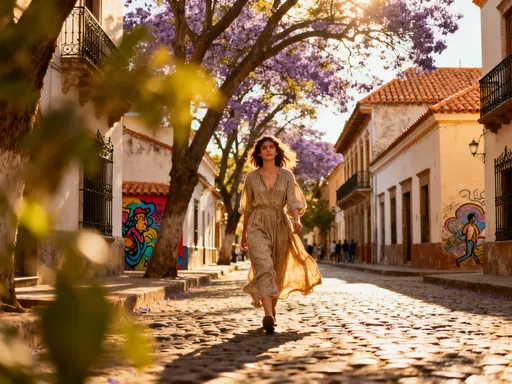
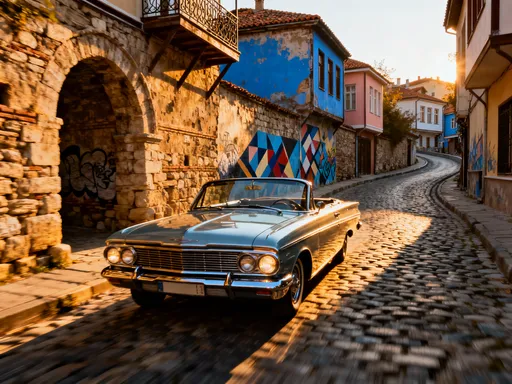
The streets of San Martin are paved with uneven cobblestones, worn smooth by centuries of footsteps. Here, time seems to move differently. Elderly residents sit on wrought-iron benches outside colonial-era homes, sipping mate from shared gourds passed among friends. Young couples stroll hand in hand beneath bougainvillea-draped balconies, while schoolchildren in crisp uniforms cross plazas on their way home. The rhythm is gentle but purposeful, a testament to a community that honors its past without being trapped by it. At midday, the bell of the Basílica de San Francisco rings out, a familiar sound that marks the hours like a heartbeat.
What makes San Martin particularly special is how seamlessly daily life integrates with its historical significance. A corner kiosk sells alfajores and bottled water alongside postcards of the Jesuit church. A modern café operates within a restored 18th-century home, its patio shaded by a jacaranda tree that has likely stood for generations. Tourists are welcome, but they are not the focus—this is first and foremost a neighborhood for locals. Visitors who take the time to observe rather than rush through will notice subtle details: the way a vendor arranges fruit with care, the laughter shared between neighbors at a bus stop, or the quiet dignity of an old man tending to a potted geranium on his windowsill. In San Martin, history is not performed—it is lived.
Güemes: Bohemian Vibes and Creative Energy
A short walk from the colonial calm of San Martin, the neighborhood of Güemes pulses with a different kind of energy—one defined by creativity, intellectual curiosity, and artistic expression. Named after a national folk hero, Güemes is a haven for artists, writers, and students drawn to its independent spirit and eclectic charm. Bookstores with hand-painted signs line narrow streets, their shelves crammed with Argentine literature, poetry, and rare editions. Independent art galleries occupy converted homes, showcasing everything from abstract paintings to political cartoons. On weekends, open-air markets bloom in small plazas, offering handmade jewelry, vintage clothing, and organic produce from nearby farms.
The presence of nearby universities infuses Güemes with youthful vitality. Students from the National University of Cordoba and other institutions gather in cozy cafés that double as informal salons, debating everything from climate change to tango lyrics. The aroma of freshly ground coffee mingles with the scent of old paper and oil paint. In one corner of a sunlit café, a young poet reads her work to a small audience; in another, a group sketches portraits while sipping herbal tea. These spaces are not just places to study—they are incubators of ideas, where conversation flows as freely as the mate passed from hand to hand.
Music is also central to Güemes’ identity. Small performance venues host live folk music, jazz trios, and experimental bands, often with no cover charge. The acoustics of an old stone cellar amplify the warmth of a nylon-string guitar, while a courtyard filled with string lights becomes an impromptu dance floor after dark. What’s striking is how accessible art feels here—there is no pretense, no gatekeeping. A mural on a back alley wall might depict a local legend or a social justice message, painted not for tourists but for the community. In Güemes, creativity is not a luxury—it is a way of life, nurtured by those who believe culture should be shared, not sold.
Alberdi: Street Art and Urban Pulse
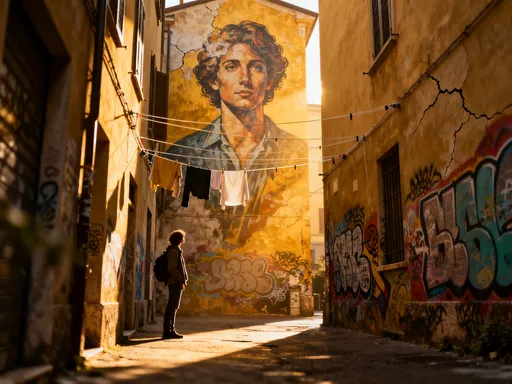
If Güemes is the city’s artistic soul, Alberdi is its bold, unfiltered voice. Once an industrial zone, this neighborhood has transformed into one of Cordoba’s most dynamic cultural hubs, where abandoned factories now house design studios, craft breweries, and performance spaces. But what truly defines Alberdi is its streets—vast, open-air galleries where walls tell stories through vibrant murals and intricate graffiti. Far from being dismissed as vandalism, street art here is celebrated as a legitimate and powerful form of expression, often reflecting social issues, indigenous identity, and collective memory.
Walking through Alberdi is like flipping through a living comic book. One mural depicts a Mapuche elder gazing toward the horizon, her face rendered in earthy tones and geometric patterns. Another shows a child releasing a flock of paper birds, symbolizing hope and resilience. Artists often work in collaboration with residents, ensuring that the artwork resonates with the community’s values and history. Some walls change seasonally, hosting rotating exhibitions organized by local collectives. Others remain as permanent tributes—like the towering portrait of a beloved neighborhood teacher, painted after her passing, now a quiet landmark for those who knew her.
The energy in Alberdi is electric but grounded. Trendy bars with exposed brick walls and craft cocktail menus sit alongside family-run bakeries where abuelas still knead dough by hand. On weekend evenings, the streets fill with locals enjoying parrilla dinners under string lights, while live DJs spin records from repurposed shipping containers. Yet even in its modern transformation, Alberdi retains a sense of authenticity. There is no attempt to sanitize its edges—graffiti-covered train tracks, weathered signage, and the hum of distant machinery all contribute to its raw, honest character. For visitors, Alberdi offers a rare glimpse into urban renewal driven not by developers, but by artists, activists, and everyday citizens reclaiming space for expression.
Nueva Córdoba: The Student Heartbeat
No neighborhood captures the youthful spirit of Cordoba quite like Nueva Córdoba, the vibrant district that orbits around the National University of Cordoba. As the second-largest university in Argentina, its sprawling campus draws tens of thousands of students each year, infusing the area with an unmistakable energy. Tree-lined avenues buzz with activity from morning until late night, as students rush between lectures, meet for coffee, or gather in plazas to discuss everything from exams to social justice. The air is thick with possibility—a sense that anything could happen, and often does.
The dining scene in Nueva Córdoba reflects its diverse, budget-conscious population. Affordable pizzerias serve slices large enough to fold, while empanada stands offer a dozen fillings, from classic beef to spinach and feta. Trendy juice bars and vegan cafés cater to health-conscious students, while traditional milongas—tango halls—keep the city’s musical heritage alive. On weekend nights, the district transforms into a social epicenter, with bars and live music venues drawing crowds from across the city. Yet even in its busiest moments, there is a sense of community—a shared understanding among students, shopkeepers, and residents that they are part of something larger than themselves.
What sets Nueva Córdoba apart is how student life shapes the cultural landscape. Public spaces become forums for discussion, with chalkboards on café walls inviting opinions on current events. Murals often carry political messages or quotes from philosophers. Book fairs, film screenings, and poetry slams are regular occurrences, many organized by student groups. Even fashion reflects this intellectual flair—think oversized sweaters, vintage denim, and backpacks stuffed with notebooks. For visitors, Nueva Córdoba offers more than just youthful exuberance; it provides a window into a generation shaping the future of the city, one idea at a time.
Sarmiento: Quiet Charm and Local Life
After the energy of Nueva Córdoba and the artistic intensity of Alberdi, the neighborhood of Sarmiento offers a different kind of beauty—one rooted in simplicity, routine, and quiet dignity. Residential and unassuming, Sarmiento is where Cordoba’s everyday life unfolds away from the tourist trail. Tree-shaded streets wind past single-family homes with flower-filled gardens, where children ride bicycles and dogs nap in the sun. Small neighborhood parks serve as gathering spots for retirees playing chess, mothers pushing strollers, and teenagers sharing mate on park benches.
Here, time moves at a gentler pace. Family-run shops—known as *almacenes*—stock basic groceries, candies, and household items, their owners greeting customers by name. A corner bakery opens at dawn, filling the air with the scent of warm medialunas. On weekends, residents attend local festivals that celebrate seasonal harvests, traditional music, or religious feast days. These events are modest but meaningful, featuring folk dances, homemade food stalls, and live accordion music. There are no grand stages or corporate sponsors—just neighbors coming together to honor shared traditions.
What makes Sarmiento special is its authenticity. There are no souvenir shops, no guided tours, no attempts to perform culture for outsiders. Instead, visitors who wander here are welcomed as quiet observers, invited to witness the rhythms of ordinary life. A grandmother might offer a smile as she waters her geraniums. A shopkeeper might recommend the best place to buy fresh queso fresco. These small gestures speak volumes about the neighborhood’s values—hospitality, continuity, and a deep respect for community. For those seeking a more reflective travel experience, Sarmiento offers a rare gift: the chance to slow down and reconnect with what matters most.
Connecting the Dots: How to Experience Cordoba’s Cultural Layers
To truly appreciate Cordoba, one must move beyond the checklist of landmarks and embrace the city as a living, evolving entity. The best way to do this is on foot, allowing yourself to get lost in its neighborhoods, stumble upon hidden courtyards, and follow the scent of freshly baked bread down an unfamiliar alley. Walking tours led by local guides offer valuable insights, especially those focused on history, street art, or culinary traditions. These tours not only provide context but also support small businesses and independent artists who contribute to the city’s cultural richness.
Public transportation in Cordoba is reliable and affordable, with a network of buses connecting all major districts. For a more immersive experience, consider renting a bicycle—many neighborhoods are flat and bike-friendly, with designated lanes and rental stations throughout the city. The best times to explore are weekday mornings and late afternoons, when streets are less crowded and light casts a golden glow on colonial facades. Weekends offer their own rewards, particularly in neighborhoods like Güemes and Alberdi, where markets, live music, and community events bring extra energy to the streets.
Respectful engagement is key to meaningful travel. Learning a few basic Spanish phrases—such as *buenos días*, *gracias*, and *¿dónde está el baño?*—goes a long way in building rapport with locals. Supporting small, family-owned businesses—whether a neighborhood café, a handmade craft stall, or a local bookstore—ensures that your visit contributes directly to the community. Observing cultural etiquette, such as greeting shopkeepers upon entry and accepting mate if offered, shows appreciation for local customs. Above all, approach Cordoba with curiosity and humility, understanding that you are a guest in a place with deep roots and ongoing stories.
In the end, Cordoba is not a destination to be conquered, but a culture to be experienced. Its neighborhoods—each with its own rhythm, memory, and voice—invite you to listen, to linger, and to connect. Whether you find yourself sipping coffee in a book-filled café in Güemes, marveling at a mural in Alberdi, or sharing a quiet moment in a Sarmiento park, you are not just visiting a city. You are becoming part of its story, if only for a little while. And that, perhaps, is the most authentic travel experience of all.