You Gotta Taste This: Whistler’s Food Scene Will Blow Your Mind
Nestled in the mountains of British Columbia, Whistler isn’t just about epic skiing or mountain biking—its food culture is a whole vibe. I went for the slopes but stayed for the locally sourced salmon, cozy village eateries, and coffee shops with soul. From farm-to-table gems to Indigenous-inspired flavors, the culinary scene here surprised me at every turn. This isn’t just fuel for adventures—it’s part of the adventure. The alpine air sharpens the appetite, and Whistler answers with a symphony of tastes that reflect its wild surroundings and thoughtful spirit. Whether you're warming up with a bowl of cedar-smoked chowder or toasting the sunset with a glass of Okanagan pinot noir, the flavors here deepen the connection between place and palate. Food in Whistler isn’t an afterthought. It’s a journey all its own.
Why Food Is the Hidden Heart of Whistler
For decades, Whistler has drawn global acclaim for its powdery ski runs, rugged hiking trails, and world-class mountain biking. Yet, behind the adrenaline-fueled reputation lies a quietly thriving food revolution. While many still associate the destination with après-ski poutine and pub nachos, the reality is far more nuanced. Over the past fifteen years, Whistler’s culinary identity has evolved into something deeper, more intentional, and distinctly local. Chefs are no longer importing trends—they’re interpreting the landscape, one dish at a time. The shift reflects a broader movement in destination dining: travelers no longer just want to see a place—they want to taste it.
What makes this evolution so compelling is how it mirrors the rhythm of the seasons. As a resort town shaped by winter and summer peaks, Whistler’s restaurants have learned to adapt with agility. Menus change with the snowmelt. Spring brings tender fiddleheads and wild greens foraged from damp forest floors. Summer overflows with heirloom tomatoes, juicy berries, and fresh halibut pulled from the Salish Sea. Fall ushers in chanterelles and other wild mushrooms, while winter highlights preservation techniques like smoking, curing, and fermenting. This seasonal awareness isn’t just a chef’s preference—it’s a necessity driven by sustainability and authenticity.
At the same time, the growing emphasis on local sourcing has elevated the entire dining experience. Many restaurants now partner directly with nearby farms, fisheries, and artisan producers. This farm-to-fork philosophy ensures that ingredients are not only fresher but also tell a story. A bite of wild salmon isn’t just delicious—it’s a taste of the Pacific coastline, of cold rivers and ancient ecosystems. This connection between food and place transforms a simple meal into a sensory immersion. For the discerning traveler, particularly those who value mindful consumption and authenticity, Whistler’s food scene offers a quiet revelation: that what you eat can be as memorable as where you ski or hike.
The Village Eats: Where Locals & Visitors Collide
At the heart of Whistler’s food culture is the pedestrian-friendly Whistler Village, a charming cluster of timbered buildings, cobblestone paths, and inviting storefronts. More than just a tourist hub, it functions as a living culinary crossroads where visitors mingle with residents, and casual meets curated. The village buzzes with energy from early morning coffee runs to late-night wine bars, offering a diverse spectrum of dining that caters to every mood and budget. Yet, what sets it apart is not just variety—it’s authenticity. Even in a place shaped by tourism, the food retains a grounded, community-driven feel.
Take, for example, the wood-fired pizzerias that dot the village lanes. These aren’t your average chain slices. Here, thin-crust pies are topped with house-made mozzarella, wild mushroom blends, and cured meats from nearby charcuterie artisans. The aroma of burning alder wood drifts into the streets, drawing in families after a day on the lifts and couples on romantic strolls. Similarly, craft breweries have become pillars of the social scene. These aren’t just places to drink—they’re culinary destinations in their own right. Taprooms serve elevated pub fare like truffle fries, bison sliders, and seasonal chowders, all paired with small-batch ales brewed with glacial water.
One of the most exciting developments in the village is the rise of fusion cuisine that honors both global techniques and local ingredients. Sushi restaurants, for instance, don’t just serve traditional rolls—they reimagine them with Pacific Northwest flair. Think cedar-planked salmon nigiri, spot prawn rolls with yuzu-kissed aioli, or seaweed salads foraged from local shores. These dishes reflect a deeper respect for regional flavors while appealing to international palates. The result is a dining landscape that feels both familiar and adventurous, comforting yet surprising. For the 30- to 55-year-old traveler—often seeking balance between indulgence and authenticity—Whistler Village offers just that: a place where good food brings people together, no pretense required.
Farm, Forest, and Fish: The Local Flavors That Define Whistler
To understand Whistler’s cuisine is to understand its geography. Cradled between coastal rainforests and alpine peaks, the region benefits from a unique confluence of ecosystems that yield an extraordinary range of ingredients. The Pacific Ocean delivers pristine seafood, the fertile valleys grow organic produce, and the dense forests offer a bounty of edible wild plants. It’s this natural abundance that defines the plate in Whistler, where menus read like love letters to the land and sea.
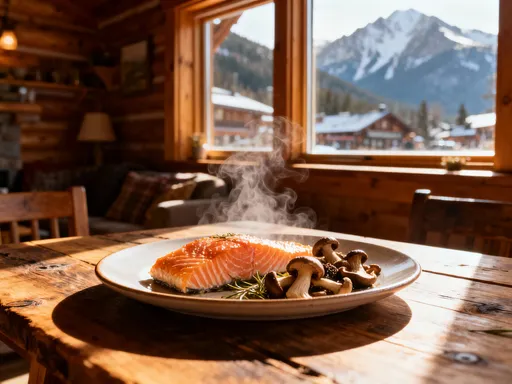
At the center of it all is wild Pacific salmon. Revered for its rich flavor and firm texture, it appears in countless forms: grilled over open flames, cured into gravlax, or smoked low and slow over alder wood. Many restaurants proudly display the origin of their fish, often listing the specific river or First Nations fishery it came from. This transparency reflects a growing respect for sustainable harvesting practices and Indigenous stewardship of marine resources. Some chefs even collaborate with local Indigenous communities to incorporate traditional preparation methods, such as cooking over cedar planks or using native herbs like wild mint and salal berry.
Equally important are the forest-foraged ingredients that elevate Whistler’s dishes. Chanterelles, morels, and hen-of-the-woods mushrooms appear on menus from late summer through fall, often sautéed with garlic and thyme or folded into creamy risottos. These fungi aren’t just gourmet accents—they’re a testament to the region’s pristine wilderness. Similarly, wild herbs, berries, and even tree syrups find their way into sauces, desserts, and craft cocktails. A huckleberry reduction on venison or a spruce tip gin and tonic isn’t just flavorful—it’s a direct taste of the mountain ecosystem.
And let’s not forget the drinks. British Columbia’s Okanagan Valley produces some of Canada’s finest wines, and Whistler’s best restaurants showcase them proudly. Crisp whites like pinot gris and aromatic rieslings pair beautifully with seafood, while cool-climate pinot noirs and gamay complement earthy mushroom dishes. Local craft distilleries and breweries also play a major role, offering small-batch spirits infused with botanicals like juniper, elderflower, and fir needle. When you sip a cocktail made with regional gin and foraged garnishes, you’re not just drinking—you’re experiencing terroir in liquid form.
Beyond the Slopes: Best Breakfast Spots to Fuel Your Day
For many visitors, the day in Whistler begins long before the lifts open—and the breakfast scene reflects that rhythm. Whether you’re gearing up for a backcountry ski tour or a family-friendly nature walk, the right morning meal can set the tone for everything that follows. Fortunately, Whistler excels at breakfast, offering cozy, nourishing options that blend indulgence with energy. These aren’t just pit stops—they’re destinations in their own right, where the scent of freshly ground coffee and toasted sourdough pulls you in like a warm embrace.
Local cafes take their coffee seriously, sourcing beans from ethical roasters and brewing with precision. You’ll find pour-overs, French presses, and velvety lattes made with oat or locally produced dairy. Paired with house-baked pastries—think buttery croissants, spelt scones, or maple-pecan muffins—these morning treats feel like a reward before the adventure even begins. For something heartier, many spots serve breakfast burritos stuffed with scrambled eggs, black beans, roasted peppers, and house-made salsa. Portable and protein-packed, they’re ideal for grabbing on the go.
One standout favorite is the smoked salmon bagel, a nod to the region’s coastal heritage. Served on a chewy, kettle-boiled bagel with herbed cream cheese, capers, red onion, and microgreens, it’s a dish that feels both luxurious and grounding. Some cafes even offer vegan versions with cashew cream cheese and house-cured carrot “lox,” catering to diverse dietary needs without sacrificing flavor. Another popular option is the mountain breakfast bowl—featuring sweet potatoes, kale, poached eggs, and avocado—perfect for those seeking a lighter yet satisfying start.
To avoid the mid-morning rush, especially during peak ski or summer seasons, consider arriving early—ideally before 8:30 a.m. Many locals swear by beat-the-crowd favorites like hidden courtyard cafes or quieter spots just off the main pedestrian plaza. Some establishments offer online ordering or curbside pickup, making it easier to grab your meal and head straight to the trailhead. For families, several breakfast spots provide kid-friendly options and high chairs, ensuring that even the youngest adventurers start the day well-fed and happy. In Whistler, breakfast isn’t an afterthought—it’s the first delicious step of the journey.
Après Like a Pro: Drinks & Bites with a View
If breakfast fuels the day, then après-ski (or après-hike, or après-bike) seals the memory. In Whistler, this cherished tradition goes far beyond casual drinks—it’s a social ritual, a moment to unwind, reconnect, and celebrate the day’s adventures. As the sun dips behind the mountain peaks, terraces fill with laughter, clinking glasses, and the savory aroma of wood-fired cooking. This is when Whistler’s food and drink culture truly shines, blending alpine ambiance with elevated flavors.
Iconic venues like mountain lodges and slope-side patios offer some of the most memorable experiences. Imagine sitting on a heated deck, wrapped in a cozy blanket, sipping a glass of local cider as the sky turns amber and rose. The menu might feature gourmet bar bites—truffle arancini, duck confit sliders, or roasted bone marrow with sourdough toast. These aren’t your average bar snacks; they’re thoughtfully crafted dishes that honor local ingredients while satisfying post-adventure cravings. Many places also offer seasonal cocktails, such as a spiced maple old-fashioned or a spruce tip mojito, adding a creative twist to classic favorites.
What makes these moments so special is the sense of community. Strangers become friends over shared tables. Families toast with sparkling apple cider. Couples linger over shared platters of charcuterie and fondue. The atmosphere is lively but never overwhelming—more convivial than chaotic. For the adult traveler, particularly those who appreciate moments of connection and reflection, these golden-hour gatherings are often the highlight of the trip.
And it’s not just about alcohol. Many venues offer sophisticated non-alcoholic options, from house-made shrubs and kombucha on tap to artisanal mocktails with herbal infusions. This inclusivity ensures that everyone, regardless of preference, can partake in the ritual. Whether you’re celebrating a first ski run or a summit hike, the combination of view, flavor, and fellowship makes après dining in Whistler more than a meal—it’s a celebration of life in the mountains.
Hidden Gems: Off-the-Beaten-Path Bites Only Locals Know
While Whistler Village draws the crowds, some of the most authentic food experiences lie just beyond its polished sidewalks. For travelers eager to eat like a local, venturing into residential neighborhoods and side streets reveals a different side of Whistler—one defined by passion, creativity, and understated charm. These hidden gems aren’t always listed on tourist apps or glossy brochures, but they’re where the culinary heartbeat is strongest.
Take the unassuming food trucks parked near trailheads or community centers. These mobile kitchens often serve some of the most inventive and delicious fare in the region. One might specialize in Korean-Mexican fusion, offering bulgogi tacos with kimchi slaw, while another focuses on Mediterranean street food, dishing out lamb gyro wraps with house-fermented hot sauce. These vendors are frequently run by immigrant families or young chefs testing new concepts, making each bite a story of innovation and heritage.
Seasonal pop-ups are another treasure. During summer and fall, you might stumble upon a farm-to-table dinner series hosted in a private garden or a brewery collaboration event in a community hall. These events, often promoted through word-of-mouth or local social media groups, offer intimate, multi-course meals featuring hyper-local ingredients. Similarly, the Whistler Farmers Market, held weekly from June to October, is a must-visit. Stalls overflow with organic produce, handmade cheeses, preserves, and fresh-baked bread. It’s also a great place to sample ready-to-eat items like Thai curry bowls, wood-fired flatbreads, or artisanal ice cream made with local berries.
For those wondering how to find these spots without relying on mainstream guides, the best approach is simple: talk to people. Chat with your Airbnb host, strike up a conversation with a barista, or ask a trail volunteer for recommendations. Locals are often eager to share their favorites, especially when they sense genuine interest. You might be directed to a tucked-away café known for its cinnamon buns, a neighborhood pub with the best fish and chips, or a secret viewpoint with a food truck that only appears on weekends. These discoveries aren’t just about food—they’re about connection, spontaneity, and the joy of stumbling upon something real.
Eating Sustainably in Whistler: A Conscious Choice
In a place defined by natural beauty, it’s no surprise that sustainability is woven into Whistler’s food culture. From farm practices to waste management, many restaurants and producers are committed to protecting the environment that inspires their cuisine. For the environmentally conscious traveler—particularly women aged 30 to 55 who often make household decisions about food and sustainability—this ethic adds depth and integrity to the dining experience.
One of the most visible commitments is to zero-waste practices. Many eateries compost food scraps, use compostable or reusable packaging for takeout, and design menus to minimize waste. Some chefs utilize “root-to-stem” cooking, transforming carrot tops into pesto or broccoli stems into slaws. Others preserve seasonal gluts through pickling, fermenting, or freezing, ensuring that nothing goes to waste. Even coffee grounds are repurposed—some cafes donate them to local gardeners for soil enrichment.
Certifications also play a key role. The Ocean Wise label, which identifies sustainable seafood choices, appears on menus across Whistler, helping diners make informed decisions. Similarly, the Rainforest Alliance certification signals responsible farming practices, particularly for coffee and chocolate. Some restaurants go even further, sourcing ingredients from certified organic farms or partnering with Indigenous-led conservation initiatives.
Supporting these businesses isn’t just good for the planet—it’s a way to travel with intention. When you choose a restaurant that prioritizes local, seasonal, and ethical sourcing, you’re voting with your fork. You’re supporting small-scale farmers, reducing carbon emissions from transport, and preserving the delicate ecosystems that make Whistler so special. For families, this is also a chance to model mindful consumption for children, turning meals into quiet lessons about care and responsibility. In a world where travel can sometimes feel extractive, Whistler’s sustainable food scene offers a refreshing alternative: one where pleasure and principle go hand in hand.
Final Bite: How Food Transforms a Trip into a Memory
Years from now, you may forget the name of the trail you hiked or the exact run you skied. But you’ll remember the taste of that cedar-smoked salmon. You’ll recall the warmth of the café where you shared laughter over cinnamon buns. You’ll dream of the sunset toast with a glass of pinot noir, the mountains glowing in the fading light. Because while photos capture moments, food captures feeling. It engages the senses, triggers emotion, and anchors memory in a way few other experiences can.
That’s why, on your next trip to Whistler, you should plan not just your itinerary—but your meals. Let dinner reservations shape your evening. Let a farmers market visit inspire your lunch. Let the promise of a perfect espresso pull you out of bed a little earlier. When you treat food as an essential part of the journey, rather than a mere necessity, you open yourself to deeper connection—to the place, to the people, to the rhythm of life in the mountains.
Whistler offers more than adventure. It offers nourishment—for the body, yes, but also for the soul. Its food scene is a quiet testament to care, creativity, and respect for nature. It invites you to slow down, to savor, to be present. So come for the slopes, stay for the views, but let yourself fall in love with the flavors. Let your journey be delicious.