You Won’t Believe What I Found in Portland’s Hidden Wild
Portland isn’t just coffee and craft beer—there’s a wild, green soul beating beneath the city. I went looking for peace and stumbled upon something bigger: protected forests, secret wetlands, and trails that feel worlds away. What I discovered wasn’t just nature—it was a sanctuary. These preserved spaces aren’t just pretty; they’re essential. They offer clean air, quiet reflection, and refuge for countless species. More than that, they remind us that urban life doesn’t have to mean disconnection from the earth. Let me take you where the pavement ends and the real magic begins.
The Urban Escape: Why Portland’s Protected Areas Matter
Amid the bustle of city life, Portland has made a quiet but powerful commitment—to keep nature close. Unlike many metropolitan areas where green space is an afterthought, Portland treats its natural reserves as vital infrastructure. These protected lands are not accidents of development; they are the result of decades of planning, advocacy, and community stewardship. From Forest Park to Tryon Creek, these areas serve as living lungs for the city, filtering air, managing stormwater, and supporting biodiversity in ways that benefit every resident, whether they realize it or not.
The importance of accessible nature extends far beyond environmental science. Studies consistently show that time spent in green spaces reduces stress, improves focus, and enhances emotional well-being. For families, retirees, and working parents alike, a short walk beneath towering trees can be a reset button for the mind. In a world where screens dominate and schedules overflow, these natural sanctuaries offer something rare: stillness. And stillness, it turns out, is not a luxury—it’s a necessity.
What sets Portland apart is the intentionality behind its green network. Local policies like the Urban Growth Boundary help prevent unchecked sprawl, preserving both rural lands and natural corridors within city limits. Organizations such as the Friends of Trees and the Audubon Society of Portland actively restore habitats and engage volunteers. This collaborative spirit ensures that protection isn’t left to chance. It’s like having a national park in your backyard—not by luck, but by design.
Moreover, these spaces are climate resilience in action. As temperatures rise and extreme weather events become more common, urban forests act as natural cooling systems, reducing the heat island effect. Wetlands absorb floodwaters, and tree canopies capture carbon. Each acre preserved is a small but meaningful step toward a more sustainable future. Portland’s model shows that cities don’t have to choose between progress and preservation—they can, and must, do both.
Forest Park: A Wild Corridor in the City’s Heart
Spanning over 5,000 acres, Forest Park is one of the largest urban forests in the United States, and it sits just minutes from downtown Portland. Nestled along the western edge of the city, this sprawling wilderness is a haven for hikers, runners, birdwatchers, and anyone seeking a deep breath of fresh air. The park stretches for more than eight miles along a forested ridge, connected by the famous Wildwood Trail—a 30-mile path that links to other greenways and extends far beyond the city’s borders.
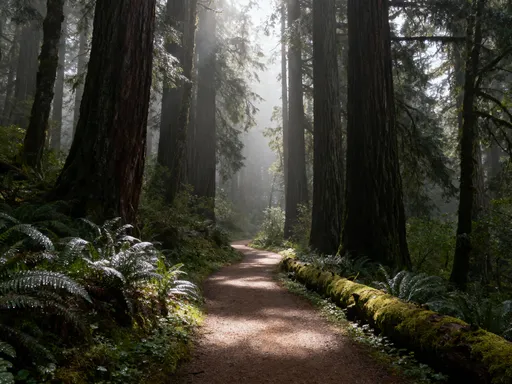
Walking through Forest Park feels like stepping into another world. Towering Douglas firs, western red cedars, and bigleaf maples create a cathedral-like canopy overhead. Sunlight filters through in soft beams, illuminating ferns, moss-covered logs, and the occasional banana slug inching across the path. The air carries the scent of damp earth and pine, and the only sounds are the rustle of leaves, the call of a varied thrush, or the distant chatter of a Steller’s jay. It’s easy to forget you’re still within city limits.
Wildlife thrives here. Black-tailed deer often graze at dawn, owls call from the treetops at dusk, and salamanders hide beneath rotting logs in the moist understory. Seasonal visitors include migrating birds and even the occasional bobcat, though sightings are rare and fleeting. For many, the joy lies not in spotting a rare animal but in feeling part of a living ecosystem—one that has existed long before the city and will, with care, outlast it.
Visitors have multiple access points, but popular trailheads include the Lower Macleay Park entrance, which begins with a picturesque stone stairway and leads into the heart of the forest. Other options include the Audubon Society’s center near the south end and the Saltzman Road entrance for those seeking quieter, less-traveled paths. Parking is available at most trailheads, though spaces fill quickly on weekends. Early mornings or weekdays offer the best chance for solitude.
For a fulfilling experience, bring water, wear sturdy shoes, and carry a light jacket—conditions can change quickly under the canopy. While the Wildwood Trail is well-marked, carrying a map or using a trail app is recommended, especially for longer hikes. And remember: no bikes or dogs are allowed on most trails, ensuring a peaceful environment for all. Whether you walk a mile or ten, Forest Park offers a rare gift—a true wilderness experience without leaving the city.
Tryon Creek: Where Nature Feels Ancient and Close
Just 15 minutes from downtown Portland, Tryon Creek State Natural Area offers a surprisingly immersive forest experience. Though smaller than Forest Park, its dense canopy and winding waterways give it the feel of an ancient woodland. Designated as a protected natural area, Tryon Creek preserves a rare remnant of the Pacific Northwest’s original lowland forest—one that once covered much of the region before urban development.
The park’s namesake creek flows year-round, fed by natural springs and shaded by towering trees. Wooden footbridges cross the water at gentle curves, inviting slow, mindful walking. Interpretive signs along the trails explain the ecosystem, from the role of nurse logs in forest regeneration to the life cycle of Pacific giant salamanders. These educational touches make the park especially welcoming for families and first-time hikers.
Seasonal changes bring new wonders. In winter, the forest glows with emerald mosses that drape every branch and rock. Rain transforms the creek into a lively stream, and the air feels thick with life. By spring, the understory explodes in green—ferns unfurl, trilliums bloom, and the entire forest seems to breathe anew. Summer brings dappled shade and the hum of insects, while fall offers quiet trails carpeted with fallen leaves.
Tryon Creek charges a small day-use fee, which supports maintenance and conservation efforts. Restrooms, picnic areas, and paved pathways near the visitor center make it accessible to visitors of all ages and abilities. Ranger-led programs, including guided walks and nature talks, are available on weekends and during school breaks, adding depth to the experience.
The park’s trail system connects to other green spaces, including the Middle Creek Trail and the Colton Point viewpoint, which offers a gentle climb and a rewarding glimpse of the surrounding forest. For those with limited time or mobility, the paved loop near the center provides a satisfying taste of the park’s beauty. Whether you’re walking with children, a senior family member, or simply seeking a quiet place to reflect, Tryon Creek delivers a sense of timelessness in the middle of a busy city.
Powell Butte Nature Park: Volcanic Views and Quiet Trails
On Portland’s east side, Powell Butte Nature Park rises as a quiet giant—a dormant volcanic cinder cone transformed into a protected natural area. At 614 feet, it offers some of the most expansive views in the city, with clear-day panoramas of Mount Hood, Mount St. Helens, and the Cascade Range. Yet, despite its elevation and sweeping vistas, the park remains a peaceful retreat, known more for its open meadows, horse trails, and native plant restoration projects than for crowds.
Managed jointly by Portland Parks & Recreation and the Bureau of Environmental Services, Powell Butte serves a dual purpose: recreation and watershed protection. The underground reservoir and water facilities are hidden from view, allowing the surface to remain a natural landscape. This integration of utility and ecology is a hallmark of Portland’s forward-thinking approach to urban planning.
Hiking here is a different experience from the dense forests of the west side. Trails wind through grassy slopes, oak savannas, and groves of ponderosa pine. Wildflowers bloom in spring—balsamroot, lupine, and golden paintbrush—while red-tailed hawks circle overhead. The lack of dense canopy means more sunlight, creating a warmer, drier environment that supports a unique set of plants and animals.
Dog walkers, equestrians, and trail runners share the paths, but the park’s size—over 600 acres—ensures space for everyone. Early mornings are ideal for solitude, especially during sunrise when the light bathes the meadows in gold and the mountains glow in the distance. The Summit Loop Trail offers the best views, while the Lower Loop provides a gentler, shaded route through native woodlands.
Parking is available at the main entrance, and restrooms are located near the trailhead. While the park is popular, it rarely feels crowded, thanks to its vastness and the dispersed nature of its trails. For those seeking a peaceful hike with a sense of openness and elevation, Powell Butte is a hidden treasure on the east side—a place where the city fades and the horizon expands.
Crystal Springs Rhododendron Garden & Springville Trail: A Wetland Wonderland
Tucked between residential neighborhoods and Reed College’s campus, the Crystal Springs Rhododendron Garden is a seasonal jewel in Portland’s green network. Open year-round but most vibrant in late spring, the garden bursts into color as hundreds of rhododendrons and azaleas bloom in a dazzling array of pinks, purples, reds, and whites. But this space is more than just a floral display—it’s a vital wetland corridor that supports clean water, native plants, and urban wildlife.
The garden surrounds Crystal Springs Creek, a tributary of Johnson Creek, one of the city’s most important urban waterways. The creek flows through a carefully restored habitat, lined with willows, alders, and native ferns. Wooden boardwalks allow visitors to walk above the wetlands without disturbing sensitive areas. Ducks, songbirds, and even beavers have been spotted here, drawn by the clean water and abundant vegetation.
Connected to the garden is the Springville Trail, a quiet, tree-lined path that follows the creek for over a mile. This trail links the rhododendron garden to Reed College’s 28-acre natural area, creating a continuous green corridor perfect for a longer walk or nature study. The trail is paved and accessible, making it ideal for strollers, wheelchairs, and casual walkers.
Visiting in May offers the most spectacular display, but the garden is beautiful in every season. Winter brings quiet reflection beneath evergreen boughs, while summer offers dappled shade and the hum of pollinators. The site also serves as an outdoor classroom, with schools and community groups using it for environmental education.
Because it’s less known than Forest Park or Tryon Creek, the garden and trail see fewer visitors, preserving a sense of serenity. Picnic tables are available, and benches along the path invite pauses. Combining a visit here with a walk through Reed College’s natural area—home to a small pond, native plant gardens, and quiet trails—makes for a full day of peaceful exploration. This corridor proves that even small, interconnected green spaces can have a big impact on urban well-being and ecological health.
How to Explore Responsibly: Leave No Trace in Portland’s Wild
As more people discover Portland’s hidden natural treasures, the need for responsible exploration grows. These spaces remain pristine not by accident, but because visitors respect the land. The Leave No Trace principles are more than guidelines—they are a promise to future generations. Staying on designated trails prevents soil erosion and protects fragile plant life. Packing out all trash, including food scraps and dog waste, keeps ecosystems healthy and animals from becoming dependent on human food.
Respecting wildlife means observing from a distance. Feeding animals, even with good intentions, can harm their health and alter natural behaviors. Dogs, while welcome in many areas, should be kept on leashes where required to protect both wildlife and other visitors. Quiet enjoyment—walking softly, speaking in low voices, and avoiding loud music—preserves the peace that so many come to find.
Mindful photography enhances the experience without disrupting it. Instead of chasing the perfect shot at the expense of the environment, take time to absorb the moment. A photo is a memory, but presence is a connection. And connection fosters care.
For those who want to give back, volunteer opportunities abound. Organizations like the Friends of Forest Park, SOLVE, and the Audubon Society host regular trail maintenance days, native planting events, and invasive species removal projects. These efforts not only restore habitats but build community. Participating in a work party is a meaningful way to deepen your relationship with these spaces—not just as a visitor, but as a steward.
Education is another form of responsibility. Sharing what you learn—with children, friends, or neighbors—multiplies the impact. Teaching a child how to identify a salamander or explaining why we don’t pick wildflowers plants the seeds of conservation. Every small action, when multiplied across thousands of visitors, creates lasting change.
Beyond the City: How Portland’s Model Can Inspire Others
Portland’s network of protected natural areas offers more than recreation—it presents a blueprint for urban sustainability. In an era when cities worldwide struggle with pollution, heat, and mental health crises, Portland shows that integrating nature into city life is not a luxury, but a necessity. Its success lies in the combination of strong policy, community engagement, and long-term vision. Other cities can learn from this model, adapting it to their own landscapes and needs.
Compare Portland to urban areas where green space is scarce or inaccessible. In many cities, parks are small, isolated, or poorly maintained, limiting their ecological and social benefits. Portland’s approach—connecting green corridors, protecting watersheds, and involving citizens in stewardship—creates a resilient, living network. This connectivity allows animals to move, plants to spread, and people to walk for miles without touching pavement.
The city’s commitment to equity is also noteworthy. Efforts to improve access—through public transit links, inclusive programming, and multilingual outreach—ensure that these benefits are not reserved for a privileged few. Nature, in this vision, belongs to everyone.
As climate change accelerates, cities must become more adaptive. Portland’s green infrastructure—urban forests, wetlands, and tree-lined streets—already performs critical functions: cooling neighborhoods, managing stormwater, and supporting biodiversity. These are not add-ons; they are essential services. By investing in nature, the city invests in its own survival.
The lesson is clear: urban and natural do not have to be opposites. With care, planning, and collective will, they can thrive together. Every trail walked, every tree planted, every volunteer hour given is a vote for a greener, healthier future. As we face environmental challenges on a global scale, local action has never mattered more. Portland’s wild heart beats not just for its residents, but as a beacon for cities everywhere.
So take a walk. Bring your family. Breathe deep. And remember: every trail walked is a promise to keep these spaces alive. Not just for beauty, but for balance. Not just for today, but for all the tomorrows yet to come.