You Won’t Believe These Insta-Perfect Spots in Jeonju
Jeonju isn’t just about bibimbap and hanok villages—its public spaces are pure magic. As someone who’s wandered its alleys and plazas, I can say: every corner feels like a curated photo op waiting to happen. From vibrant street art to lantern-lit alleys, the city blends tradition and modern flair in the most shareable ways. If you're chasing beauty that looks amazing on Instagram *and* feels authentic, Jeonju’s open-air canvas should be next on your list. With its harmonious balance of heritage and contemporary design, this South Korean gem invites travelers not only to look but to linger, connect, and remember. Every path tells a story, every wall holds a mood, and every sunrise paints a new backdrop worth capturing.
The Heartbeat of Hanok Village: Where Tradition Meets Aesthetic
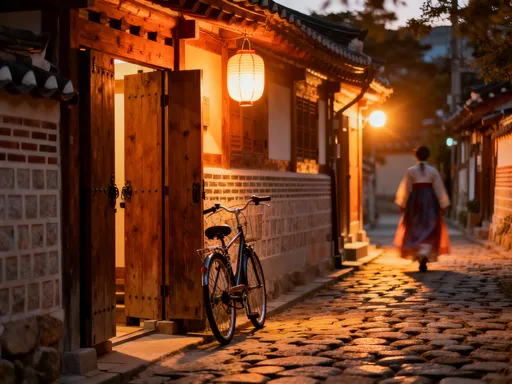
At the core of Jeonju’s visual charm lies the Jeonju Hanok Village, a sprawling neighborhood of over 800 traditional Korean houses nestled within the city’s modern fabric. Unlike static museum exhibits, this is a living district where history breathes through wooden eaves and tiled rooftops. The narrow, winding alleys are not merely pathways—they are natural framing devices, guiding the eye toward perfectly composed scenes. Sunlight filters through lattice doors, casting delicate shadows across stone walls, while the gentle curve of tiled roofs creates rhythmic patterns ideal for photography. Each turn reveals a new tableau: a red lacquered gate slightly ajar, a wisp of steam rising from a teahouse chimney, or a woman in a hanbok walking with quiet grace.
What elevates this space beyond mere nostalgia is its thoughtful integration into daily life. Many of the hanoks have been carefully restored and repurposed—not as relics, but as functional spaces. Guests sip barley tea in converted family homes now operating as guesthouses; artists display calligraphy in former study rooms; children laugh in courtyards turned into cultural experience centers. This blend of preservation and purpose gives the village depth, transforming it from a postcard-perfect scene into a living narrative. The authenticity of movement—locals going about their day, shopkeepers sweeping thresholds, elders chatting on low benches—adds a human rhythm that no staged set could replicate.
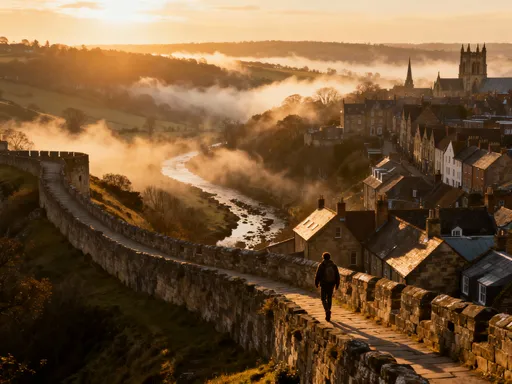
For those seeking the most photogenic moments, timing is everything. Golden hour, just after sunrise or before sunset, bathes the village in a warm, honeyed light that softens edges and enhances textures. During these quiet hours, the absence of crowds allows for unobstructed shots, while the low sun highlights the intricate woodwork and shadow play unique to traditional Korean architecture. Mist often lingers in the morning air, adding a dreamlike quality to the lanes. Whether capturing a lone figure beneath a paper lantern or a symmetrical row of rooftops against a dusky sky, the Hanok Village offers endless compositions that feel both timeless and immediate.
Street Art That Speaks: Murals as Public Expression
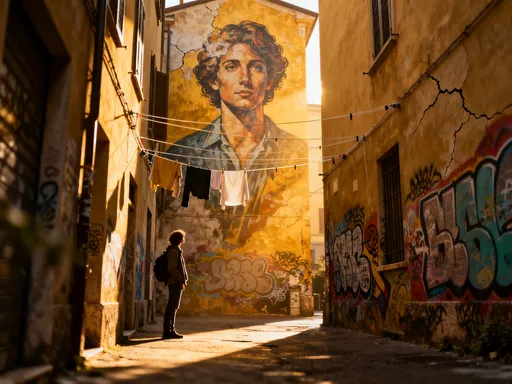
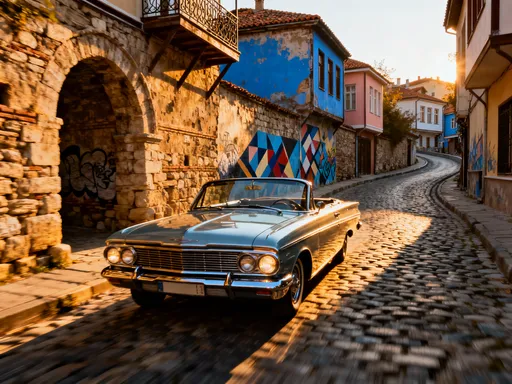
Just beyond the historic heart of Jeonju lies a surprising contrast: a thriving urban art scene that transforms ordinary walls into vibrant storytelling canvases. Scattered throughout the city, particularly in the arts corridor near Jeondong Catholic Church, these murals reflect a community unafraid to merge the sacred with the playful. What was once a quiet residential alley has become an open-air gallery, where whimsical cats peek from windowsills, children fly kites across brick facades, and traditional patterns intertwine with modern graffiti lettering. These artworks are not random acts of rebellion but part of a city-supported initiative to revitalize public spaces and celebrate local identity through color and imagination.
One of the most photographed zones stretches along the narrow lanes behind the church, where large-scale murals depict scenes of rural life, folklore characters, and even nostalgic schoolyard games. A mural of a grandmother braiding a girl’s hair evokes intergenerational warmth, while another shows a boy chasing a paper boat through a painted rainstorm—simple moments rendered with emotional clarity. These images resonate because they are not only visually striking but emotionally familiar, tapping into shared memories of childhood, family, and home. For visitors, especially mothers and women who see echoes of their own lives in these scenes, the art becomes more than decoration—it becomes connection.
The city’s approach to street art balances creativity with respect. Unlike chaotic urban tagging, Jeonju’s murals are curated, often created by local artists or students from nearby universities. The themes frequently draw from Korean proverbs, seasonal festivals, or regional pride, reinforcing cultural continuity rather than disruption. Even the color palettes are thoughtfully chosen—soft pastels in residential areas, bolder hues near commercial districts—ensuring harmony with the surrounding environment. These artworks invite interaction: a child might point excitedly at a painted squirrel, a couple may pause for a selfie beneath a blooming wisteria mural, or a traveler might sit quietly, absorbing the story behind a fisherman casting his net into a sea of blue bricks.
For the Instagram-savvy traveler, these walls offer dynamic backdrops that feel both fresh and meaningful. Unlike generic photo spots, Jeonju’s murals reward closer inspection. Details emerge upon second glance—a hidden butterfly in a flower pattern, a faint musical note floating above a dancer’s head, a tiny inscription in Hangul that reads “Remember joy.” These subtle touches transform a simple snapshot into a discovery, encouraging travelers to slow down, look deeper, and appreciate the intention behind the image.
Parks with Personality: Green Spaces Designed for Connection
Jeonju’s commitment to livable beauty extends into its parks, where nature and community intertwine in carefully designed harmony. Gyeonggijeon Shrine’s surrounding gardens and Deokjin Park are not afterthoughts but central features of the city’s public life. These green spaces are not manicured in a rigid, formal way but shaped to invite ease, contemplation, and gentle activity. Wide gravel paths wind beneath ancient zelkova trees, their broad canopies filtering sunlight into dappled patterns on the ground. Lotus ponds reflect the sky and the elegant curves of wooden pavilions, creating mirror-like surfaces perfect for reflection—both literal and metaphorical.
What makes these parks truly special is how they serve as social anchors. In the early morning, groups gather for tai chi and stretching exercises, their movements slow and synchronized. Elderly couples walk hand in hand, pausing to feed koi fish or listen to the soft chime of wind bells hanging from eaves. Children chase each other around stone lanterns, while parents watch from shaded benches. During cherry blossom season, the parks transform into communal celebrations, with families spreading picnic mats beneath pink clouds of blooming trees. The air fills with the scent of roasted sweet potatoes and the sound of laughter, turning the space into a living festival of togetherness.
Seasonal changes dramatically alter the mood and visual appeal of these areas. In spring, azaleas erupt in fiery reds and pinks along the pathways; summer brings lush greenery and the hum of cicadas; autumn sets the hillsides ablaze with gold and crimson; even winter, with its dusting of frost on pine branches, holds a quiet elegance. Each season offers a distinct photographic palette, encouraging repeat visits and deeper appreciation. The city enhances these natural rhythms with subtle lighting—soft spotlights highlight tree trunks at night, and floating lanterns drift across the ponds during festivals, creating magical evening scenes.
For the 30- to 55-year-old woman traveling for both beauty and balance, these parks offer a sanctuary. They are places to breathe, to sit quietly with a journal, or to share a warm drink with a friend. The design prioritizes comfort and accessibility—benches are plentiful, restrooms are clean, and signage is clear—making them welcoming for families and older visitors alike. More than just scenic spots, these parks embody Jeonju’s philosophy: that public spaces should serve people, not just impress them.
Public Plazas: Where Culture Performs Itself
Beyond gardens and alleys, Jeonju’s plazas function as stages for the city’s cultural heartbeat. Open areas near institutions like the Jeonju National Museum or in the downtown commercial district are not empty voids but dynamic gathering places designed for performance and participation. These spaces are intentionally built with acoustics, sightlines, and flexibility in mind, allowing them to shift seamlessly from quiet daytime plazas to vibrant evening venues. During traditional festivals, they come alive with the rhythms of *samulnori* drumming, the graceful turns of *hanbok*-clad dancers, and the melodic strains of the *gayageum*, a 12-string zither.
Even when no formal event is taking place, the design of these plazas ensures visual interest. Granite paving patterns echo traditional motifs, while low stone walls double as seating and architectural accents. Lighting is used strategically—uplights highlight sculptural elements, and overhead fixtures cast gentle pools of light that guide movement without overwhelming the space. Benches are arranged to encourage conversation, and small kiosks sell local snacks and crafts, adding warmth and activity. The architecture surrounding these plazas often blends modern materials with traditional forms, such as glass facades framed by wooden latticework, reinforcing the city’s identity as a bridge between eras.
For visitors, these spaces offer spontaneous moments of cultural immersion. A weekend stroll might lead to an impromptu performance by a school music group, a children’s mask dance workshop, or a calligraphy demonstration on large sheets of rice paper. These experiences are not staged for tourists but are part of the city’s everyday cultural rhythm, allowing travelers to witness authenticity in action. Photographs taken here capture more than scenery—they document movement, expression, and shared joy. A child’s delighted face as she tries on a traditional mask, an elder’s hands shaping ink characters with precision, a dancer’s flowing sleeve caught mid-twirl—these are the moments that stay with you long after the trip ends.
The city’s event calendar ensures there is always something meaningful happening. The annual Jeonju International Film Festival brings outdoor screenings to central plazas, while the Jeonju Hanji Festival celebrates traditional paper-making with public installations and hands-on activities. These events transform public spaces into inclusive arenas of creativity, where locals and visitors coexist as participants rather than spectators. For the traveler seeking both beauty and substance, these plazas prove that the most memorable destinations are not just seen but felt.
Why Design Matters: The Intention Behind the Aesthetic
The magic of Jeonju’s public spaces is not accidental—it is the result of deliberate urban planning that values both heritage and human experience. City officials and architects have worked collaboratively to create an environment where aesthetics serve function, and tradition coexists with innovation. One of the guiding principles is pedestrian-first design: wide sidewalks, minimal vehicle traffic in historic zones, and clear signage make it easy to explore on foot. This encourages people to move slowly, notice details, and engage with their surroundings rather than rush through them.
Another key factor is the city’s commitment to cultural continuity. Rather than treating historical preservation as a static act, Jeonju embraces adaptive reuse—finding new purposes for old structures while maintaining their essence. A former granary becomes a cultural center; a traditional courtyard hosts modern art exhibitions; a centuries-old shrine grounds remain a place of quiet reverence while also serving as a public park. This philosophy prevents the city from becoming a museum piece; instead, it remains alive, evolving, and relevant.
Visual harmony is also carefully managed. Building codes in historic areas regulate height, color, and materials to ensure new constructions do not clash with traditional architecture. At the same time, contemporary elements—such as sleek benches, minimalist lighting, or abstract sculptures—are introduced in ways that complement rather than compete. The result is a cityscape that feels cohesive, where a mural of a folk tale sits comfortably beside a solar-powered information kiosk, and a 500-year-old gate frames a view of a modern café with glass walls.
What makes this approach particularly effective is its focus on inclusivity. Spaces are designed to be accessible to people of all ages and abilities. Ramps replace stairs where possible, tactile paving assists visually impaired visitors, and seating is distributed evenly throughout parks and plazas. This attention to detail sends a powerful message: public spaces belong to everyone. For the woman traveling with children or aging parents, this thoughtfulness makes a tangible difference, turning what could be a tiring outing into a comfortable, enjoyable experience.
How to Experience It Like a Local: Beyond the Filter
To truly appreciate Jeonju’s beauty, timing and mindset matter as much as the camera settings. Early mornings are ideal—not only for soft, flattering light but also for experiencing the city as locals do. Streets are quiet, shops are just opening, and the Hanok Village feels almost private. This is the perfect time to capture uncluttered shots and absorb the stillness before the day’s energy builds. Late afternoons offer golden hour warmth, while evenings bring the soft glow of lanterns and festival lights, especially during seasonal events.
One of the most rewarding ways to engage with the city is by renting a hanbok, the traditional Korean dress. Available at multiple shops near the Hanok Village, these rentals are affordable and come with assistance in dressing and styling. Wearing a hanbok does more than enhance photos—it fosters a sense of belonging. As you walk through the alleys, you’re no longer just an observer but a participant in the scene. Children smile and wave, elders nod in recognition, and shopkeepers often offer warm greetings. The experience deepens your connection to the culture and results in images that feel more integrated and authentic.
Respectful behavior is essential. While it’s tempting to pose dramatically in quiet zones, it’s important to remain mindful of residents’ privacy and the sacred nature of certain spaces. Avoid blocking narrow alleys for long photoshoots, keep voices low near homes and shrines, and never enter private courtyards without permission. Carrying a small cloth to sit on (instead of using wooden steps or stone lanterns as seating) shows consideration for preservation. These small acts of awareness contribute to sustainable tourism and ensure that Jeonju remains beautiful for future generations.
Getting around is easy on foot, but bicycles are also a popular and eco-friendly option. The city has dedicated bike lanes in many areas, and rental stations are conveniently located. For those with limited mobility, electric carts and guided tours are available, ensuring that everyone can enjoy the city’s highlights. Carrying a small map or using a reliable offline navigation app helps avoid getting lost, especially in the maze-like alleys of the Hanok Village. And of course, wearing comfortable shoes is a must—beauty here is discovered step by step.
From Viewfinder to Memory: Why These Spaces Stay With You
In an age where travel is often reduced to a series of curated images, Jeonju offers something deeper: spaces that linger in the heart as much as they shine on a screen. The beauty here is not superficial; it is woven into the fabric of daily life, shaped by intention, and sustained by community. A photo of a lantern-lit alley is striking, but the memory of standing quietly as a breeze stirs the paper light, casting dancing shadows on the ground, is what endures. A mural may make a perfect backdrop, but the feeling of connection when a local artist smiles and says, “That one is about my grandmother,” adds meaning that no filter can replicate.
For the woman who travels not just to see but to feel—to reconnect with beauty, with culture, with herself—Jeonju offers a rare gift. Its public spaces invite pause, reflection, and gentle interaction. They are designed not for fleeting likes but for lasting impressions. In a world that often feels rushed and disconnected, Jeonju reminds us that the best destinations are those where design, culture, and humanity intersect with grace. So pack your camera, yes—but also bring your curiosity, your respect, and your openness to wonder. Because in Jeonju, every corner holds not just a photo opportunity, but a moment worth remembering.