Lost in the Magic of Milford Sound: A Wandering Soul’s Cultural Journey
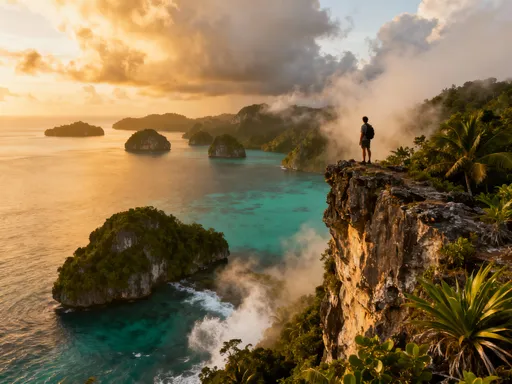
Have you ever felt nature whisper straight to your soul? That’s exactly what happened when I wandered into Milford Sound, New Zealand. Beyond the thundering waterfalls and misty peaks, I discovered something deeper—living Māori traditions, quiet moments of connection, and cultural gems hidden in plain sight. This isn’t just a scenic wonder; it’s a place where stories echo through the mountains and every step feels sacred. More than a destination, Milford Sound invites travelers into a relationship with the land—one rooted in reverence, storytelling, and quiet presence. For women who seek meaning beyond the postcard view, this journey offers a rare kind of renewal: not through luxury or speed, but through depth and respect.
First Glimpse: Arriving in Milford Sound with No Fixed Plan
The road to Milford Sound is not for the impatient. Winding along State Highway 94, also known as Milford Road, the journey itself becomes part of the transformation. Stretching roughly 120 kilometers from Te Anau, this route cuts through Fiordland National Park, a UNESCO World Heritage site renowned for its untouched wilderness. The drive takes about two hours, but many travelers, especially those seeking a deeper experience, allow half a day or more to pause, reflect, and absorb the unfolding drama of the landscape. For women who often carry the weight of daily responsibilities—managing households, raising children, balancing work and family—this slow approach can feel like a form of release. Each curve reveals another masterpiece: sheer granite cliffs rising like cathedral walls, waterfalls that appear and vanish with the rain, and valleys carpeted in ancient rainforest untouched by time.
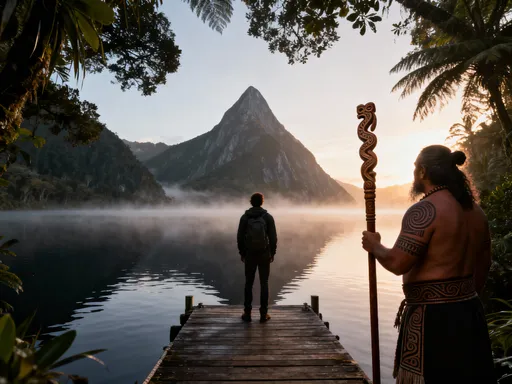
What makes this journey unique is its unpredictability. Weather shifts rapidly in Fiordland, and that volatility is part of its magic. One moment, sunlight glints off wet rocks; the next, a curtain of mist rolls down the mountains, softening edges and silencing sound. These changing conditions create an atmosphere of quiet reverence, especially at dawn when few tourists are present. Without a rigid itinerary, travelers gain the freedom to linger. A sudden downpour might lead to shelter under a rocky overhang, where the sound of rain on leaves becomes a meditation. A cleared sky might invite a spontaneous stop at the Mirror Lakes, where reflections of the peaks create a dreamlike symmetry. These unplanned pauses often yield the most meaningful memories—those quiet, personal encounters with nature that stay long after the trip ends.
Arriving at the fiord without a fixed plan also opens space for intuition. Instead of rushing to board the first cruise or check off photo spots, visitors who allow themselves to wander slowly begin to notice subtler details: the way birds call from the canopy, the scent of damp ferns, the texture of moss clinging to stone. The absence of crowds at early hours deepens the sense of solitude and connection. This is not a place to conquer or consume, but to inhabit gently. The cliffs of Mitre Peak, rising over 1,600 meters from the water’s edge, do not demand admiration—they simply exist, vast and ancient, reminding all who approach of nature’s quiet power. In that stillness, many women find a rare kind of emotional clarity, a chance to reconnect with themselves away from the noise of everyday life.
The Pulse of the Land: Understanding Māori Connection to the Fiord
Milford Sound is known globally for its dramatic scenery, but its Māori name, Piopiotahi, tells a different story—one of ancestry, loss, and spiritual presence. In te reo Māori, Piopiotahi means 'a single piopio,' referring to a now-extinct native thrush. According to Māori legend, the fiord was formed by the flight of a grieving piopio following the death of the demigod Māui. The bird flew south, its tail carving the long, deep valley that became the fiord. This narrative is not merely folklore; it reflects a worldview in which land, creatures, and people are deeply intertwined. For the local iwi, or tribes—particularly the Ngāi Tahu, who are the tangata whenua (people of the land) of this region—Piopiotahi is not a tourist attraction but a living ancestor, imbued with mauri, or life force.
This spiritual connection shapes how Māori relate to the fiord. Unlike Western concepts of land as property, Māori see themselves as kaitiaki, or guardians, entrusted with protecting the environment for future generations. This principle, known as kaitiakitanga, is central to their cultural identity. It is not a role taken lightly. For centuries, Māori navigated these waters in waka (canoes), relying on stars, currents, and oral knowledge passed down through generations. Their understanding of the tides, weather patterns, and natural resources was precise and sustainable. Even today, elders share stories of how ancestors would harvest kaimoana (seafood) only in certain seasons, ensuring balance with the ecosystem. These practices were not just survival tactics—they were expressions of respect, woven into daily life and ceremony.
Understanding this deeper relationship transforms the visitor experience. When travelers learn that Mitre Peak is called Rahotu in some traditions, or that certain caves were once used for shelter or spiritual retreat, the landscape becomes layered with meaning. The water is no longer just 'scenic'; it carries memory. The wind is not just 'fresh air'; it whispers old songs. This awareness invites a slower, more thoughtful way of moving through the fiord. For women who value nurturing and care—whether for family, community, or the earth—this philosophy of guardianship resonates deeply. It offers a model of strength that is quiet, enduring, and rooted in responsibility rather than control.
Voices on the Water: Cultural Storytelling During a Morning Cruise
One of the most powerful ways to experience Piopiotahi’s cultural depth is through a small-boat eco-cruise led by a Māori guide. Unlike large tourist vessels that prioritize panoramic views, these intimate tours focus on connection. As the boat glides across the still water at sunrise, the guide begins to speak—not in the tone of a lecturer, but as a storyteller sharing family history. Place names are offered in both English and te reo Māori, each carrying layers of meaning. For instance, Sinbad Rock is not just a nesting site for seabirds; in Māori tradition, it is a waka that turned to stone, frozen in time as a guardian of the fiord.
The rhythm of the cruise mirrors the pace of the land. There are no loud engines or rushed itineraries. Instead, moments of silence are honored, allowing the sounds of nature—dripping water, distant bird calls, the soft lap of waves—to fill the air. At certain points, the guide may sing a waiata, a traditional song, its melody rising gently over the water. These songs are not performances; they are acts of remembrance, carrying prayers, history, and emotion. Some visitors report feeling a physical response—a chill, a tear, a deep breath—as if something ancient has been awakened within them.
These storytelling cruises exemplify the Māori concept of whakapapa, or genealogy, which extends beyond people to include mountains, rivers, and creatures. When the guide explains that a particular waterfall is named after an ancestor who wept for her lost child, the landscape becomes a living narrative. Visitors are not passive observers but temporary participants in a centuries-old conversation. For women who cherish family, tradition, and emotional honesty, this form of storytelling feels profoundly familiar. It is not about entertainment, but about truth, memory, and belonging. By the end of the cruise, many feel a quiet shift—a sense of having been welcomed, however briefly, into a world where land and spirit are one.
Hidden in Plain Sight: Finding Cultural Touchpoints Beyond the Main Trails
While the grand vistas of Milford Sound draw the eye, its cultural heart often lies in quieter, less obvious places. Near the visitor center, for example, carved pou (posts) stand as silent storytellers. Each pattern—zigzags for water, spirals for growth, koru for new life—carries symbolic meaning rooted in Māori cosmology. These are not decorative additions; they are statements of identity and continuity. Similarly, bilingual signage throughout the area includes both English and te reo Māori, reinforcing the presence of the indigenous language in public space. For travelers who take the time to read them, these signs offer more than translation—they offer perspective.
Art displays in the visitor complex often feature works by local Māori artists, from woven flax pieces to paintings inspired by ancestral stories. These creations are not souvenirs; they are expressions of living culture. Some depict the journey of Māui, while others illustrate the balance between humans and nature. Viewing them invites reflection: What stories do we carry? What do we pass on? Guided bush walks, led by local rangers or cultural practitioners, deepen this awareness. As participants walk along shaded trails, they learn not only the scientific names of plants but their traditional uses. For instance, the kawakawa plant, related to pepper, was used for medicinal teas, while the harakeke (flax) provided fiber for clothing and rope. This knowledge was once essential for survival, but today it serves as a bridge between past and present.
These subtle cultural markers matter because they resist the commodification of heritage. They do not package Māori culture into a tourist product; instead, they invite genuine curiosity. For women who value authenticity and depth, these moments—reading a carved story, tasting a bush tea, listening to the meaning behind a pattern—can be more moving than any photo opportunity. They suggest that culture is not something to be consumed, but something to be respected, learned, and protected. In a world that often prioritizes speed and spectacle, these quiet details restore a sense of balance and meaning.
Tastes of the Region: Experiencing Māori-Inspired Flavors in Local Food
Taste is one of the most intimate ways to connect with a place, and in Milford Sound, food offers a subtle but powerful link to Māori tradition. In small cafés and lodges near the fiord, visitors may encounter dishes that honor the land’s bounty in culturally meaningful ways. Smoked kaimoana—such as green-lipped mussels, whitebait, or crayfish—is a common feature, prepared using methods passed down through generations. The smoking process, often done over native woods like manuka, preserves the seafood while adding a delicate, earthy flavor. This is not fast food; it is slow food, rooted in seasonality and respect for the source.
Bush teas made from native plants like kawakawa or manuka are another way to experience the region’s heritage. Served warm in ceramic mugs, these infusions carry a gentle warmth and a slightly peppery taste. They are not marketed as ‘superfoods’ or wellness trends, but as simple, nourishing drinks with cultural significance. Some lodges collaborate with Māori-owned producers to source ingredients, ensuring that economic benefits return to local communities. This model of collaboration reflects a growing movement toward ethical tourism—one that values fairness, sustainability, and cultural integrity.
For women who cook, nurture, and care for their families, these food experiences resonate on a personal level. They reflect values of care, preparation, and sharing. A simple meal becomes an act of connection—to the land, to tradition, and to other people. Even without elaborate presentation, the food here feels meaningful. It reminds us that nourishment is not just physical, but emotional and cultural. By choosing to eat food that honors local knowledge, visitors participate in a quiet form of respect, one bite at a time.
Respectful Wandering: How to Engage with Culture, Not Just Scenery
Traveling with intention means more than taking beautiful photos—it means moving through a place with humility and awareness. In Piopiotahi, this begins with language. Learning a few basic phrases in te reo Māori—such as kia ora (hello), tēnā koe (thank you), or haere mai (welcome)—is a small but meaningful gesture. It shows respect and opens doors to warmer interactions. More important than speaking, however, is listening. This means pausing to hear a guide’s story, observing cultural protocols, and resisting the urge to touch sacred objects or enter restricted areas.
Supporting locally run tours and Māori-led initiatives is another way to engage responsibly. These operators often provide deeper, more authentic experiences because they are sharing their own heritage, not performing for an audience. They also ensure that tourism dollars support the community directly. Equally important is practicing kaitiakitanga—acting as a guardian of the land. This means staying on marked trails, packing out all waste, and avoiding loud noises that disrupt wildlife. It means choosing eco-friendly transport and respecting quiet zones. For women who often teach children about kindness and responsibility, these actions model the values they hold dear.
Respectful wandering also involves curiosity without intrusion. It means asking questions politely, acknowledging that not all knowledge is meant to be shared, and accepting that some stories are sacred. It means understanding that culture is not a costume or a photo prop, but a living, breathing reality. When travelers approach Piopiotahi with this mindset, they are not just tourists—they are guests, welcomed into a space of deep significance.
Carrying the Echo Home: Why This Journey Changed My View of Travel
Leaving Milford Sound, many travelers report a quiet shift in their hearts. The views are unforgettable, yes—the waterfalls, the peaks, the stillness of the fiord at dawn. But what lingers longer is the sense of having touched something sacred. This journey is not about checking boxes or collecting stamps in a passport. It is about slowing down, listening deeply, and allowing a place to speak. For women who often give so much of themselves, this kind of travel offers a rare gift: the chance to receive.
Piopiotahi teaches that beauty is not separate from meaning. The mist that hides the peaks is not a disappointment—it is part of the story. The rain that soaks a jacket is not an inconvenience—it is the lifeblood of the forest. And the Māori traditions that echo through the land are not relics of the past, but living truths that guide how we relate to the world. This understanding changes how one travels, and perhaps how one lives. It encourages a gentler footprint, a more thoughtful presence, a deeper gratitude.
The true magic of Milford Sound lies not in its postcard perfection, but in its ability to awaken a sense of belonging—to nature, to culture, to something greater than oneself. It reminds us that the most transformative journeys are not always the loudest or fastest, but the ones that allow space for silence, story, and soul. And when we carry that echo home, we bring not just memories, but a renewed way of seeing: one rooted in respect, wonder, and quiet love.