Split’s Secret Spots: Where Locals Really Live, Not Just Visit
Ever wondered what makes Split, Croatia truly tick beyond Diocletian’s Palace? I dove into its districts like a local, not a tourist. From breezy Marjan hills to artsy Varoš, each neighborhood tells a story. This isn’t just sightseeing—this is living the city. You’ll discover where to eat, relax, and wander like you belong. Let me show you the real Split, one district at a time.
Introducing Split: More Than a Coastal Postcard
Split is often celebrated for its dramatic coastline, ancient Roman architecture, and status as a Mediterranean cruise stop. But beneath the postcard-perfect surface lies a dynamic city shaped by generations of fishermen, artisans, students, and families who call it home. With over 170,000 residents, Split is Croatia’s second-largest city and a true urban hub—not merely a transit point between islands. Its identity emerges not just from Diocletian’s Palace, but from the rhythm of daily life that pulses through its diverse neighborhoods.
Exploring Split by district offers a richer, more authentic understanding than sticking to the well-worn tourist trail. Each area has its own character, history, and way of life. Some are tucked into green hillsides, others stretch along the shimmering Adriatic, and a few thrive in the quiet corners between busy streets. When travelers take the time to move beyond the palace walls, they begin to see how locals shop, dine, exercise, and socialize—revealing a city that is both deeply traditional and quietly modern.
Understanding Split’s urban layout also enhances practical navigation. The city unfolds along a narrow coastal strip backed by the Marjan Peninsula, with residential zones radiating outward from the historic core. Public transportation, pedestrian pathways, and bicycle routes connect these districts seamlessly. By learning how locals move through the city—on foot, by bus, or on two wheels—visitors can explore with greater ease and confidence. More importantly, they gain access to experiences that feel personal, unhurried, and genuine.
This kind of travel is not about ticking off landmarks. It’s about immersion. It’s hearing the clink of coffee cups in a neighborhood bar early in the morning, watching children play in a shaded square, or catching the scent of grilled fish wafting from a family-run konoba. These quiet moments, repeated across Split’s districts, form the heartbeat of the city. To know Split fully is to experience it not as a series of sights, but as a living, breathing community.
Center & Diocletian’s Palace: The Beating Heart (But Not the Whole Story)
No visit to Split is complete without stepping into Diocletian’s Palace, a 4th-century Roman complex that now serves as the city’s historic center. What makes this site extraordinary is not just its age or architecture, but how fully it has been absorbed into everyday life. Shops, homes, restaurants, and markets operate within its ancient walls. Residents walk through the Peristyle, the grand colonnaded courtyard, not as tourists marveling at history, but as neighbors heading to work or meeting friends for coffee. This seamless blend of antiquity and modernity is rare and deeply compelling.
Yet, for all its grandeur, the palace district can feel overwhelming during peak season. Cruise ships bring thousands of visitors each day, filling the narrow passageways and turning quiet corners into crowded thoroughfares. To experience this area like a local, timing is essential. Early mornings, before 9 a.m., offer the best chance to walk the stone corridors in peace. The golden light of sunrise reflects off the white limestone, and the air carries the scent of fresh bread from nearby bakeries. It’s a moment when history feels alive, not performative.
Within the palace, certain spaces retain a more authentic character. The Fish Market, located just outside the Golden Gate, operates daily and draws local vendors and shoppers. Here, you’ll find baskets of sardines, octopus, and Adriatic prawns laid out on ice, alongside seasonal vegetables and herbs. Conversations flow in Croatian, punctuated by laughter and the rhythmic chopping of knives. This is not a staged experience—it’s real commerce, rooted in tradition.
Equally revealing are the small konobas tucked into the palace’s lower levels. Unlike the overpriced restaurants with laminated menus in multiple languages, these family-run taverns serve simple, flavorful dishes like black risotto, grilled squid, and homemade pasta. Service may be slow, and English limited, but the warmth is immediate. These spots are where locals celebrate birthdays, share stories, and unwind after work. To find them, look for handwritten signs, wooden benches, and the absence of outdoor speakers blasting pop music.
While the palace remains essential, treating it as the sole destination limits understanding of Split. It is the city’s heart, yes—but a heart needs arteries, lungs, and limbs to function. The surrounding districts provide that vital context, showing how history and modernity coexist in balance. Visitors who linger only in the center miss the broader story of how Split lives, breathes, and evolves.
Varoš: Split’s Creative Soul with Local Flair
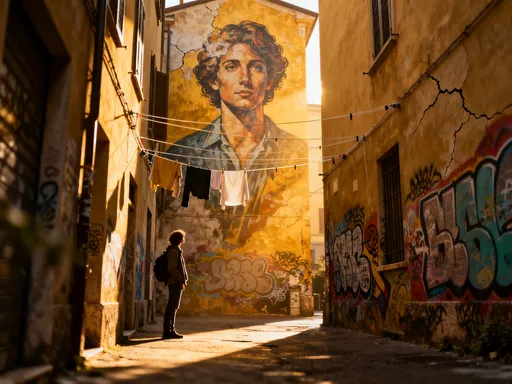
Just west of the palace, across the bustling Republic of Croatia Square, lies Varoš—a neighborhood that pulses with creativity and community. Once a working-class district, Varoš has transformed into one of Split’s most vibrant cultural enclaves, known for its street art, independent galleries, and intimate music venues. Unlike the polished aesthetics of the center, Varoš embraces a raw, unfiltered charm. Colorful murals cover building facades, alleyways double as open-air exhibitions, and the hum of conversation spills from shaded courtyards.
This is where artists, students, and young families have chosen to put down roots. Many of the buildings are historic stone houses with tiled roofs, now repurposed into studios, cafés, and micro-theaters. The pace is slower here, the atmosphere more relaxed. On weekend mornings, residents gather at local bakeries for burek or fritule, traditional pastries that fill the air with the scent of warm dough and powdered sugar. Children ride bicycles along the narrow streets, and neighbors greet each other by name.
One of Varoš’s defining features is its network of small konobas and wine bars. These are not designed for mass tourism; they cater to locals seeking good food and conversation. A typical evening might find a group of friends sharing a platter of cured meats and olives, sipping on Krk or Istrian Malvazija, while a jazz trio plays in the corner. The menus are often handwritten, changing weekly based on what’s fresh and available. There’s no pressure to turn tables quickly—dining here is a social ritual, not a transaction.
For visitors, the key to enjoying Varoš is respect. This is not a performance for outsiders; it’s a lived-in neighborhood. Walking quietly, dressing casually, and speaking softly go a long way. Engaging with shop owners or café staff in simple Croatian phrases—like “Dobar dan” (good day) or “Hvala” (thank you)—is appreciated. Photography should be done discreetly, especially in residential areas. The goal is not to observe from a distance, but to blend in as much as possible.
Varoš also hosts regular cultural events, from open-studio nights to poetry readings and film screenings in repurposed courtyards. These gatherings reflect a strong sense of local pride and creative collaboration. Tourists are welcome, but they are expected to participate with humility. When done right, an evening in Varoš feels less like tourism and more like being invited into a private world—one that values authenticity over spectacle.
Meje & Špinut: Beach Life and Daily Rhythms
Along Split’s eastern waterfront, the districts of Meje and Špinut offer a glimpse into how residents enjoy the sea in their daily lives. Unlike the crowded beaches of nearby resorts, these areas are integrated into the city’s routine. Locals come here not for vacation, but for exercise, relaxation, and socializing. The Riva promenade, which runs through both districts, is alive with joggers, cyclists, and families strolling with children in the late afternoon. Seagulls circle above, and the sound of waves blends with distant laughter and music from seaside cafés.
Meje Beach, a mix of pebbles and concrete platforms, is a favorite among swimmers and sunbathers. What sets it apart is its accessibility and lack of commercialization. There are no overpriced beach clubs or reserved loungers. Instead, residents bring their own towels, umbrellas, and picnic baskets. Some arrive early to claim a spot by the water, while others come later to swim after work. The atmosphere is egalitarian and relaxed—everyone, from children to grandparents, shares the space equally.
Špinut, just to the south, is slightly more developed but retains a local feel. It features a long stretch of waterfront with shaded trees, public restrooms, and a few long-standing cafés that have served the community for decades. One such café, known simply as “Špinut Bar,” has become a local institution. Its wooden tables sit under a canopy of pine trees, and the menu includes strong coffee, ice-cold beer, and simple snacks like olives and anchovies. Prices are reasonable, and service is unhurried. This is where office workers come to unwind, students study with laptops, and retirees play cards in the shade.
To enjoy Meje and Špinut like a local, follow a few simple rules. Bring your own supplies—towel, water, and snacks—rather than relying on overpriced vendors. Visit in the late afternoon or early evening, when the heat subsides and the golden light reflects off the water. Avoid loud music or disruptive behavior; these are public spaces meant for shared enjoyment. Most importantly, embrace the rhythm of the day: a swim, a coffee, a slow conversation, and a walk along the promenade as the sun sets.
These districts reveal a truth often missed by tourists: in Split, the sea is not a destination, but a part of daily life. Residents don’t “go to the beach” as a special event—they incorporate it into their routines, just as someone might visit a park in another city. To experience this rhythm is to understand how deeply the Adriatic shapes the city’s identity and well-being.
Marjan Peninsula: The City’s Green Escape
Rising gently behind Split’s center, the Marjan Peninsula is a forested sanctuary that offers both natural beauty and cultural significance. Often referred to as “Split’s lung,” this pine-covered hill provides a vital green space for recreation, reflection, and respite from the summer heat. Locals flock here year-round for walking, jogging, cycling, and swimming in secluded coves. The network of stone paths and shaded trails winds through aromatic Mediterranean vegetation—pine, juniper, lavender, and wild rosemary—creating a sensory experience unlike any other in the city.
One of the most popular routes begins near the Jewish Cemetery and climbs gradually toward the山顶 (top). Along the way, hikers pass small chapels, ancient stone benches, and panoramic viewpoints that offer sweeping vistas of Split, the harbor, and the islands beyond. At the highest point stands a bronze statue of Gregory of Nin, a 10th-century bishop and national symbol, sculpted by Ivan Meštrović. Locals believe that rubbing the statue’s toe brings good luck—a tradition that has polished the bronze to a shine.
For families, Marjan offers accessible trails suitable for children and older adults. The main path is paved and well-maintained, with clear signage and rest areas. Playgrounds, public restrooms, and small kiosks selling water and ice cream make it easy to spend an entire day here. In the warmer months, the sound of church bells mingles with birdsong and the distant splash of swimmers in the rocky inlets below.
The peninsula also hosts several quiet beaches, such as Kašjuni and Bene, which are reached by foot or a short boat ride. These coves are beloved by locals for their crystal-clear water and peaceful atmosphere. Unlike commercial beaches, they have minimal facilities—no sunbed rentals, no loud music, no crowds. Visitors are expected to respect the environment by taking their trash with them and avoiding loud behavior.
Timing is key when visiting Marjan. In July and August, the midday sun can be intense, so early mornings or late afternoons are ideal. Spring and autumn offer the most pleasant conditions, with mild temperatures and fewer people. Comfortable walking shoes are essential, as some trails are uneven and rocky. While the peninsula is safe and well-patrolled, it’s wise to carry water, wear sun protection, and stay on marked paths.
Marjan is more than a park—it’s a cultural institution. Generations of Split residents have walked these trails, celebrated milestones at its viewpoints, and found solace in its quiet corners. To visit Marjan is to participate in a local tradition of wellness and connection to nature.
Podstrana & Kamenomlaka: Suburban Glimpses with Coastal Charm
South of Split’s center, along the coastal road, lie the quieter districts of Podstrana and Kamenomlaka. These areas are often overlooked by tourists, yet they offer a compelling look at suburban coastal life in Croatia. Connected by regular bus lines and bicycle paths, they are easily accessible but feel worlds apart from the city’s tourist core. Here, life moves at a gentler pace. Residential homes with red-tiled roofs line tree-lined streets, and small family-run grocery stores replace souvenir shops.
Podstrana, in particular, has a long stretch of pebble beaches and calm waters, making it popular with families and older residents. The beaches are public and free to access, with basic amenities like restrooms and snack stands. Unlike the bustling Riva, this area feels unhurried. Parents watch children build sandcastles, couples stroll hand in hand, and fishermen cast lines from the rocks at dusk. The atmosphere is one of quiet contentment.
Kamenomlaka, slightly more residential, offers fewer tourist facilities but greater authenticity. It’s a place where locals live, not perform. The streets are quiet, the gardens are well-kept, and the sense of community is strong. A small farmers’ market operates weekly, selling fresh produce, honey, and homemade cheese. These goods come from nearby villages, reflecting a deep connection to the land and seasonal cycles.
For travelers seeking a slower pace, these districts offer a refreshing contrast. A bus ride along the coastal road takes about 20–30 minutes from the center, providing scenic views of the Adriatic. Biking is another excellent option, with dedicated lanes and rest stops along the way. Visitors should bring cash, as some small vendors do not accept cards, and carry a reusable water bottle to stay hydrated.
While there are no major attractions here, that’s precisely the point. Podstrana and Kamenomlaka are not about sightseeing—they’re about experiencing everyday life. Sitting on a bench with a coffee, watching the waves, and listening to conversations in Croatian offers a different kind of enrichment. It’s a reminder that travel is not only about seeing new places, but about feeling the rhythm of life in another culture.
Why Districts Define the True Split Experience
Split is more than a collection of landmarks—it is a mosaic of neighborhoods, each contributing to the city’s soul. From the ancient heart of Diocletian’s Palace to the creative energy of Varoš, the seaside routines of Meje and Špinut, the natural sanctuary of Marjan, and the quiet charm of Podstrana and Kamenomlaka, these districts reveal a city that is deeply rooted in daily life. They show how history, nature, and community intertwine to shape a place that is both timeless and alive.
Traveling through Split by district encourages a slower, more intentional form of exploration. It moves beyond checklists and photo ops, inviting visitors to engage with the city as it truly is. This kind of travel requires curiosity, patience, and respect. It means waking early to walk quiet streets, learning a few words of Croatian, and choosing a family-run konoba over a tourist menu. It means sitting still, listening, and letting the city reveal itself in its own time.
For the thoughtful traveler—especially those seeking meaningful, enriching experiences—this approach is deeply rewarding. It fosters connection, not just observation. It allows for moments of serendipity: a shared smile with a local, an unexpected conversation, a view discovered by chance. These are the memories that linger long after the trip ends.
Split does not need to be dramatic to be beautiful. Its magic lies in the ordinary—the fisherman mending his net, the grandmother watering her flowers, the students laughing under a fig tree. To see these moments is to understand that the true essence of a place is not in its monuments, but in its people and their way of life. When you explore Split’s districts, you don’t just visit a city. You begin to belong to it, even if only for a little while.